
Leak Detection in Seattle, WA
Most hidden leaks give themselves away in small ways first. A water bill that climbs for no reason, a meter that keeps moving when everything is off, a faint hiss inside a wall, a patch of floor that feels warm, or a musty smell in a crawl space. Seattle’s wet climate hides moisture problems well, which is why a leak can run for months before anyone sees it. Price Busters Plumbing & Sewer provides leak detection in Seattle, WA, using methods that find the leak itself, so repairs happen where the problem is and nowhere else.
Suspect a hidden leak? Call (206) 823-1912 and we will help you decide what to check first.
Start With the Water Meter
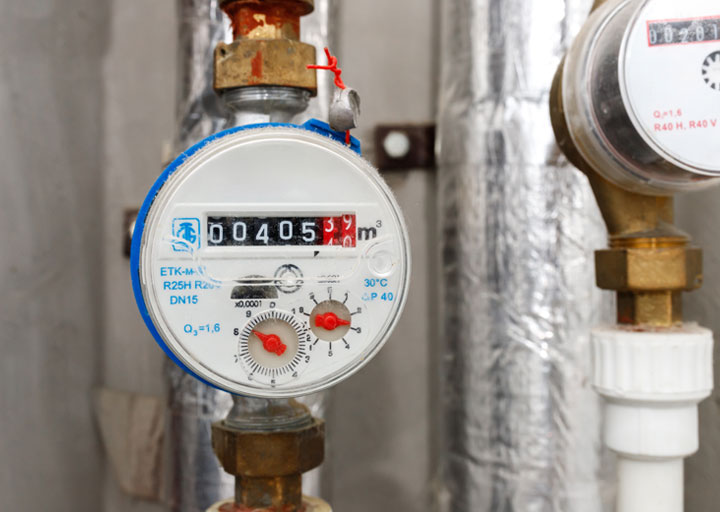
The simplest leak test costs nothing. Turn off every faucet and appliance that uses water, including the ice maker, the irrigation system, and the washing machine. Then look at your water meter. Most have a small low-flow indicator, often a dial or a triangle, that spins even when a trickle passes through. If it’s moving while everything is off, water is escaping somewhere between the meter and your fixtures.
If you want a firmer number, write down the meter reading, wait an hour or two without using water, and read it again. A change means a leak, and the size of the change gives a rough idea of how serious it is. For homes with a second meter or an irrigation line, test each separately, since a sprinkler leak and a plumbing leak call for different repairs.
Toilets are the most common hidden leak inside a house. A few drops of food coloring in the tank, left for fifteen minutes without flushing, will show up in the bowl if the flapper isn’t sealing. In most Seattle-area homes the water line from the meter to the house belongs to the homeowner, so a leak underground is yours to fix, and it’s worth confirming where the responsibility begins with your utility.
A few other quiet culprits are worth ruling out before you call: a hose bib that drips after the hose is disconnected, an irrigation zone stuck open, a water heater relief valve that weeps, and a loose line to a filter or softener. Each can add up on the bill, and each takes only a few minutes to check. If everything is clear and the meter still moves, the leak is hidden, and that is when equipment earns its keep. Our plumbing FAQ answers more of the common questions.
How We Find a Leak Without Tearing Things Apart
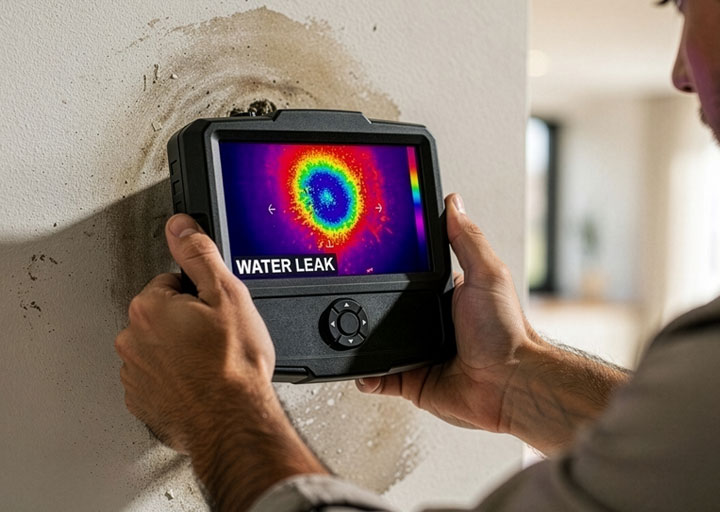
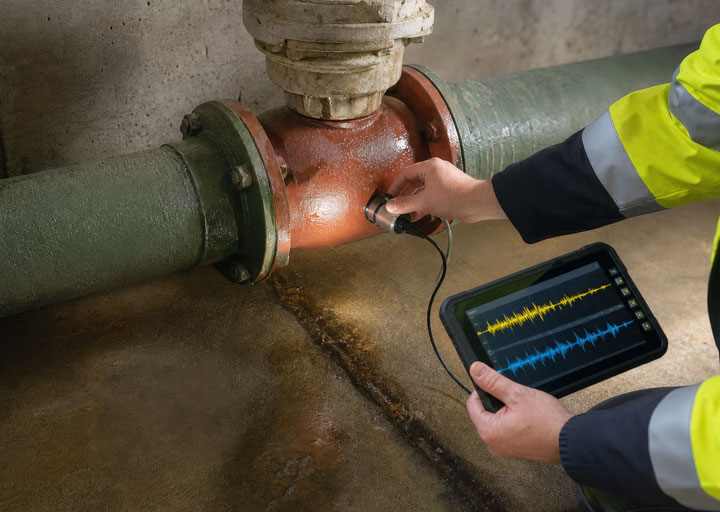
Once a meter test confirms water is escaping, our job is to locate it precisely. Acoustic equipment listens for the sound of water leaving a pressurized pipe, which can be pinpointed even through concrete and soil. Thermal imaging shows temperature differences from leaking hot water or damp materials behind a surface. Pressure testing isolates sections of piping to find which one is losing pressure, and moisture meters confirm whether a suspect area is actually wet. When a drain line is the suspect, a sewer camera shows the inside of the pipe.
Used together, those tools narrow a leak down to a small area. That matters because the alternative, opening walls and floors to look, is expensive and often fruitless. A leak found by equipment can be repaired with a small, targeted opening, and your home stays largely intact.
Can You Find a Leak Under a Slab?
Often, yes. Acoustic sensors pick up the sound of pressurized water escaping even through concrete, and thermal imaging can show a warm line under a floor. We confirm with pressure testing before anyone cuts anything, so a slab repair, when one is needed, starts with a precise spot and not a guess.
Here is what a leak detection visit from Price Busters typically includes:
- Meter testing and isolation to confirm and narrow the leak
- Acoustic and thermal detection of hidden leaks in walls, floors, and underground lines
- Pressure testing of supply lines
- Sewer camera inspection when a drain or sewer line is suspected
- A clear explanation of what we found, with repair options and the price before work begins
Meter still moving with everything off? Book a leak detection visit at (206) 823-1912. The estimate is free.
Why Seattle Homes Hide Leaks So Well
Seattle averages roughly six inches of precipitation in a typical January, spread over about nineteen wet days, and the ground around a house stays damp for months. That moisture masks the signs of a slow leak. A damp patch in the yard or a wet crawl space can be written off as rain, when it’s actually water from a cracked line. Add the city’s older housing, with galvanized supply pipes, cast iron drains, and plumbing that has been repaired many times, and there are plenty of places for a leak to start.
Houses on slopes and homes with daylight basements or crawl spaces have another problem: the pipes run in spaces nobody visits. A pinhole in a copper line under the house can spray a fine mist onto insulation for weeks. By the time the floor above feels soft, the damage is already underway.
That’s the argument for acting on the early signs. A rising bill or a moving meter is much cheaper to investigate than a rotted subfloor.
What Happens After We Find It
Once the leak is located, we explain what it is and what it will take to fix, from replacing a failed fitting to repairing a section of buried line. For underground water lines, we can discuss repair, rerouting, or replacement, and for drain-related leaks, we can talk through camera findings and sewer repair options. You get the price before work begins, and nothing is done without your approval.
We also tell you honestly when a leak is small enough to monitor rather than rush into repair, and when it’s urgent. A leak in a main line or under a slab deserves prompt attention. A slow drip at a hose bib is a different conversation.
Our work carries a 1-year parts and labor warranty, our technicians are background-checked, and our Washington license is #PRICEBP869MA. If you suspect a leak, call our Seattle office.
Seattle Neighborhoods We Serve
Our Seattle office covers the city south of 145th Street, where Seattle meets Shoreline. That takes in Ballard, Crown Hill, Magnolia, Capitol Hill, the University District, View Ridge, Lake City, and West Seattle, along with nearby White Center, and each has its own plumbing profile. Craftsman bungalows in Ballard and Crown Hill often have decades-old supply and drain lines, mid-century homes in View Ridge and Lake City may have aging galvanized pipe, and hillside homes in Magnolia and West Seattle can hide leaks in crawl spaces few people visit.
A leak detection visit starts with a free estimate, so you’ll know the cost before the equipment comes out. If the leak turns out to involve a drain or sewer line, we can run a camera through it and explain what we see.
Living across the lake instead? Our Bellevue team provides plumbing for Eastside homes, and its after-hours emergency service covers urgent leaks around the clock.
Frequently Asked Questions About Seattle Leak Detection
How can I tell if I have a hidden water leak?
Turn off every faucet and appliance that uses water, then check your water meter. If the dial or low-flow indicator keeps moving, water is escaping somewhere between the meter and your fixtures. A water bill that climbs for no reason, a musty smell, or a warm spot on the floor are other common clues.
Can you find a leak without cutting into my walls or floors?
Usually. We use acoustic listening equipment, thermal imaging, pressure testing, and moisture meters to pinpoint the leak before any opening is made. That way the repair happens in a small, targeted spot instead of a large demolition. If a drain line is the suspect, a sewer camera lets us look inside the pipe.
What does leak detection typically find?
Common sources include failing pipe fittings, pinholes in aging copper or galvanized lines, leaking toilet flappers, damaged water service lines, and slab leaks. Older Seattle homes with decades of repairs have more places for a leak to start, so we check the full path from the meter to your fixtures instead of stopping at the first suspect.
Should I turn off my water if I suspect a leak?
If water is visibly escaping, shut off the main valve right away and call us. For a slow, suspected leak, run a meter test first with every fixture off. If the meter moves, call the Seattle office at (206) 823-1912, and we will tell you whether it can wait for a regular visit or needs attention today.
Do you offer emergency leak service in Seattle?
Yes. We are available 24 hours a day, 7 days a week for urgent leaks, including burst pipes and leaks in a main line or under a slab. Call the Seattle office, and we will help you stop the water while we send a technician. A detection visit starts with a free estimate.
Fast Help. Fair Prices. Don’t let a slow leak turn into a soft subfloor. Call our Seattle office at (206) 823-1912, or contact us online.
Ready to Save on Plumbing Today?
Make Price Busters your top plumbing company in Seattle, WA. We’ll arrive promptly with everything needed to assess the situation and restore your peace of mind. Give us a call or fill out our form to schedule your appointment.