When a pipe needs internal repair, what happens before the lining goes in matters just as much as the repair itself. A clean interior surface allows new materials to bond correctly and form a stable structure inside the existing line. That is why preparation steps like hydro jetting are often used in professional plumbing work. When homeowners call a plumber in Edmonds, WA, this process is often part of the discussion before any pipe lining begins.
Why Surface Preparation Changes Repair Results
Inside a sewer or drain line, buildup is common. Grease, scale, mineral deposits, and tree roots can all restrict flow and coat pipe walls. If that material is left in place, it can interfere with how well a lining adheres.
In the plumbing industry, preparation is treated as a standard step in many rehabilitation projects. According to the U.S. Environmental Protection Agency, maintaining wastewater infrastructure requires both repair and maintenance practices that support long-term pipe performance, especially in aging systems where buildup is common.
How Hydro Jetting Clears the Line
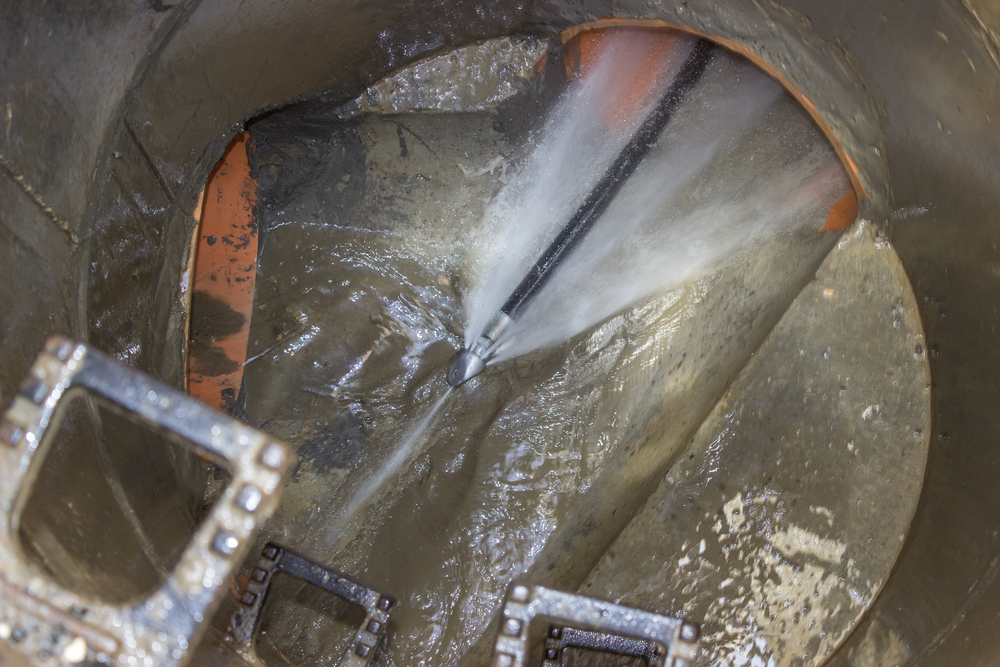
Hydro jetting uses high-pressure water to clean the inside of pipes. This process removes debris from the pipe walls rather than simply pushing it through. That difference matters when pipe lining is planned, since the liner needs direct contact with the original pipe surface.
In many plumbing repair cases, jetting is used to restore internal diameter and remove hardened material that traditional snaking methods may leave behind. The goal is to create a consistent interior surface that supports the next stage of repair work.
Where Drain Cleaning Fits Into the Process
Before lining begins, drain cleaning helps confirm that the system is free of obstructions that could affect installation. This step often follows an inspection and may be repeated if heavy buildup is present.
A clean pipe allows technicians to evaluate structural conditions more clearly. It also helps reduce complications during lining, since leftover debris can prevent proper placement or curing of the liner material.
Why Inspection Comes Before and After Jetting
A sewer camera inspection is often used both before and after hydro jetting. The first inspection identifies blockages, cracks, and intrusion points. After cleaning, a second inspection confirms that the pipe is ready for lining.
This process helps ensure that the pipe’s internal condition is understood at each stage. It also helps identify whether emergency issues are present that need immediate attention before continuing with repair work.
When Pipe Lining Becomes the Next Step
Once the pipe is clean and inspected, lining materials can be installed. Trenchless methods such as trenchless pipe lining rely on a smooth interior surface so the liner can cure properly and form a new structural layer inside the existing pipe.
In some cases, if the pipe damage is too extensive, technicians may recommend trenchless sewer replacement instead of lining. The decision depends on structural integrity and the results of the inspection process.
FAQs
Is hydro jetting safe for older pipes?
It depends on the condition of the pipe. A camera inspection is usually performed first to assess whether the pipe can handle high-pressure cleaning.
How long does hydro jetting take?
Most residential drain cleaning jobs can be completed within a few hours, depending on buildup and pipe length.
Does pipe lining always require hydro jetting?
In many cases, yes. A clean interior surface improves liner adhesion and helps reduce installation issues.
Can hydro jetting remove tree roots?
Yes, high-pressure water can cut through many types of root intrusion, although severe cases may require additional repair steps.
When sewer and drain systems begin showing signs of buildup or damage, preparation becomes a key part of the solution. At Price Busters Plumbing & Sewer, we approach each project with careful inspection, thorough cleaning, and reliable repair planning. Our emergency plumbing team provides value-adding services with long-term savings potential, reasonable prices, products from trusted manufacturers, on-time arrivals, and 24/7 emergency service. Whether it is routine plumbing or urgent repair needs, we bring steady experience to every job.
When a pipe needs internal repair, what happens before the lining goes in matters just as much as the repair itself. A clean interior surface allows new materials to bond correctly and form a stable structure inside the existing line. That is why preparation steps like hydro jetting are often used in professional plumbing work. When homeowners call a plumber in Edmonds, WA, this process is often part of the discussion before any pipe lining begins.
Why Surface Preparation Changes Repair Results
Inside a sewer or drain line, buildup is common. Grease, scale, mineral deposits, and tree roots can all restrict flow and coat pipe walls. If that material is left in place, it can interfere with how well a lining adheres.
In the plumbing industry, preparation is treated as a standard step in many rehabilitation projects. According to the U.S. Environmental Protection Agency, maintaining wastewater infrastructure requires both repair and maintenance practices that support long-term pipe performance, especially in aging systems where buildup is common.
How Hydro Jetting Clears the Line
Hydro jetting uses high-pressure water to clean the inside of pipes. This process removes debris from the pipe walls rather than simply pushing it through. That difference matters when pipe lining is planned, since the liner needs direct contact with the original pipe surface.
In many plumbing repair cases, jetting is used to restore internal diameter and remove hardened material that traditional snaking methods may leave behind. The goal is to create a consistent interior surface that supports the next stage of repair work.
Where Drain Cleaning Fits Into the Process
Before lining begins, drain cleaning helps confirm that the system is free of obstructions that could affect installation. This step often follows an inspection and may be repeated if heavy buildup is present.
A clean pipe allows technicians to evaluate structural conditions more clearly. It also helps reduce complications during lining, since leftover debris can prevent proper placement or curing of the liner material.
Why Inspection Comes Before and After Jetting
A sewer camera inspection is often used both before and after hydro jetting. The first inspection identifies blockages, cracks, and intrusion points. After cleaning, a second inspection confirms that the pipe is ready for lining.
This process helps ensure that the pipe’s internal condition is understood at each stage. It also helps identify whether emergency issues are present that need immediate attention before continuing with repair work.
When Pipe Lining Becomes the Next Step
Once the pipe is clean and inspected, lining materials can be installed. Trenchless methods such as trenchless pipe lining rely on a smooth interior surface so the liner can cure properly and form a new structural layer inside the existing pipe.
In some cases, if the pipe damage is too extensive, technicians may recommend trenchless sewer replacement instead of lining. The decision depends on structural integrity and the results of the inspection process.
FAQs
How do I know if my sewer line qualifies for trenchless repair?
The best way to determine eligibility is through a professional inspection that evaluates the pipe’s condition and structure.
Is trenchless sewer work durable?
Modern trenchless materials are designed for long-term underground performance and are widely used throughout the industry.
Does trenchless repair work for root intrusion?
In many cases, yes. The specific solution depends on the severity of the root damage and pipe condition.
How long does the evaluation process take?
Most inspections can be completed relatively quickly, allowing homeowners to understand their options without extensive disruption.
When sewer and drain systems begin showing signs of buildup or damage, preparation becomes a key part of the solution. At Price Busters Plumbing & Sewer, we approach each project with careful inspection, thorough cleaning, and reliable repair planning. Our emergency plumbing team provides value-adding services with long-term savings potential, reasonable prices, products from trusted manufacturers, on-time arrivals, and 24/7 emergency service. Whether it is routine plumbing or urgent repair needs, we bring steady experience to every job.
Need a Plumber in the Seattle Area?
Price Busters Plumbing & Sewer is ready to help. Call us or request service online and we’ll be in touch right away.