When hot water starts running unevenly or takes longer to stabilize, the issue often sits inside the system where you cannot see it. In the Puget Sound region, fine glacial silt and mineral micro-sediments can quietly build up inside heating equipment over time. These particles are small enough to pass through standard filtration, yet abrasive enough to affect internal components. That is where issues often begin and where homeowners start looking into water heater repair in Bellevue, WA, through Price Busters Plumbing & Sewer.
How Micro-Sediments Travel Through Northwest Water
Even though municipal water in the region is treated and considered relatively soft compared to many parts of the country, it still carries suspended solids from mountain runoff and seasonal shifts in watershed flow. According to the U.S. Geological Survey, surface water systems in glacial regions can contain fine particulate loads that vary with rainfall and melt cycles. These particles are often measured in microns and can bypass common household filtration systems.
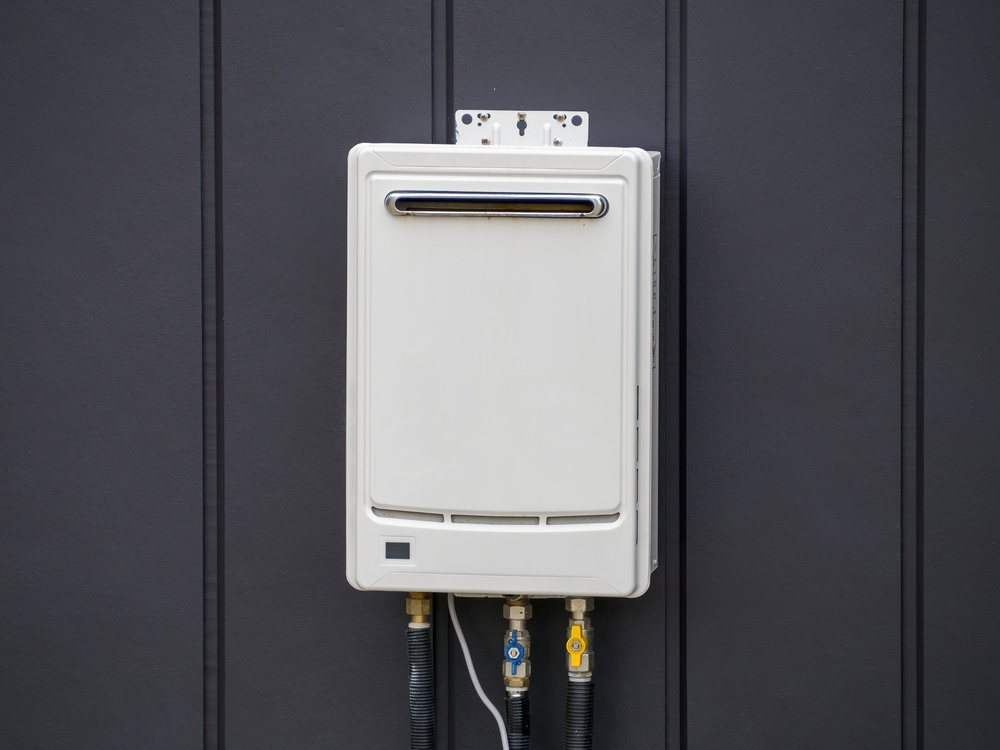
In a tankless water heater, water moves through extremely narrow internal passages designed for rapid heat exchange. Even small levels of particulate buildup can affect how efficiently heat transfers across those surfaces.
What Happens Inside a Heat Exchanger Over Time
Inside a tankless system, water passes through a tightly wound copper or stainless steel heat exchanger. When micro-sediments enter this space, they behave like fine abrasive material. Over time, they create a sandpaper-like effect along the interior walls. This process contributes to gradual erosion-corrosion, especially where water velocity is highest.
In many tankless water heater systems, even small deposits can create uneven heating zones. The U.S. Department of Energy has noted that scale and sediment buildup can reduce system efficiency and increase strain on heating components, particularly in high-demand residential applications.
How Build-Up Affects System Performance
As sediment layers form, water flow becomes less predictable. Some channels narrow while others remain partially clear, which creates uneven heat distribution. This imbalance can lead to cycling issues, delayed hot water delivery, and higher energy use.
During routine diagnostics, we often find that buildup severity depends on maintenance frequency and water quality conditions. In some cases, water heater replacement is considered when internal erosion has progressed beyond practical cleaning limits.
Cleaning and Protection Methods That Matter
One of the most effective ways to restore performance is controlled descaling. This process dissolves mineral buildup inside the heat exchanger and helps restore internal flow pathways. In more advanced cases, filtration upgrades may be added upstream to reduce incoming particulate load.
When new systems are installed, proper setup matters just as much as cleaning history. Correct water heater installation helps reduce early stress on internal components and supports more stable long-term operation.
When Ongoing Service Becomes Necessary
Tankless systems benefit from consistent inspection and maintenance. Over time, mineral content, sediment levels, and usage patterns all influence performance. Regular service helps identify early signs of restriction before they develop into larger issues that require more extensive correction.
Many homeowners rely on scheduled water heater services to keep systems operating efficiently through seasonal changes, especially in areas where water composition shifts throughout the year.
FAQs
What causes sediment buildup in tankless water heaters?
Fine minerals and glacial runoff particles can pass through standard filtration and accumulate inside narrow heat exchanger channels.
Can descaling restore performance?
In many cases, yes. Descaling can remove mineral buildup and improve flow and heat transfer efficiency.
How often should a tankless water heater be serviced?
Many systems benefit from annual inspection and cleaning, depending on water quality and usage levels.
Do filters stop all sediment?
Standard filters remove larger particles, but very fine micro-sediments can still enter the system.
When hot water systems start showing signs of strain, we focus on practical solutions that restore dependable performance. At Price Busters Plumbing & Sewer, our work centers on value-adding services with long-term savings potential, reasonable prices, products from trusted manufacturers, on-time arrivals, and 24/7 emergency service. Whether it is routine maintenance or complex system concerns, we bring steady experience to every home we serve. Drop us a line today to schedule a service!

Need a Plumber in the Seattle Area?
Price Busters Plumbing & Sewer is ready to help. Call us or request service online and we’ll be in touch right away.