
Category: Uncategorized

  • The Environmental Footprint of Trenchless Repairs vs. Traditional Digging

    The Environmental Footprint of Trenchless Repairs vs. Traditional Digging

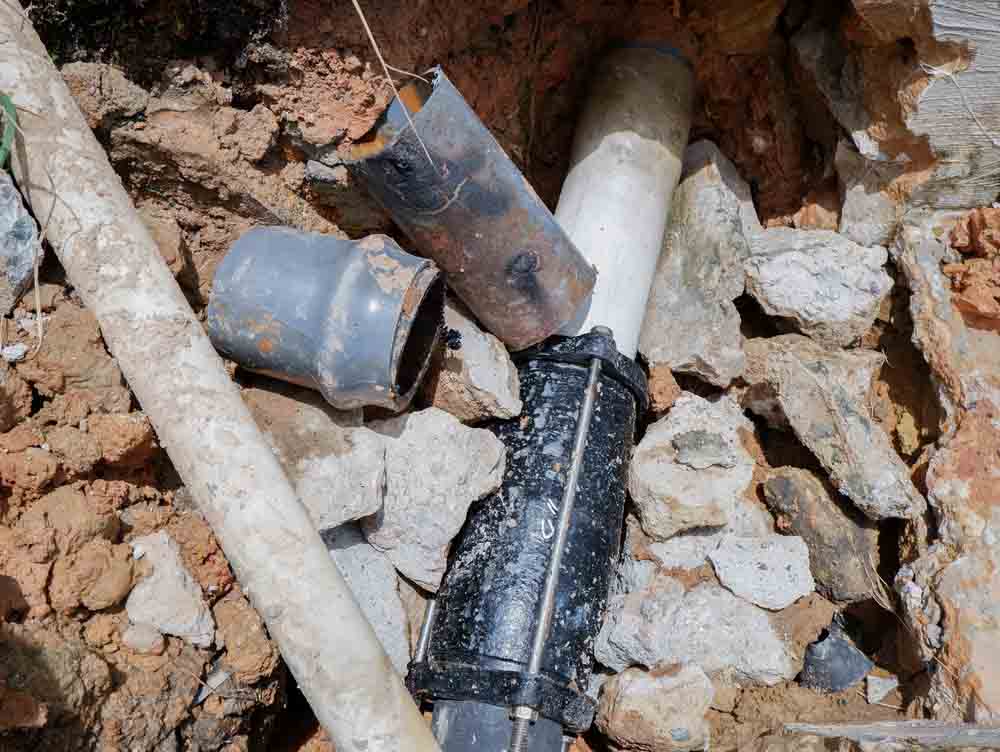
    Every underground repair leaves a mark. The only question is how wide, how deep, and how long it lingers after the work is done. Traditional excavation exposes everything from soil, roots, pavement, to landscaping before a single pipe is fixed. Trenchless methods take a different approach, working through the existing line with far less disruption above ground.

    At Price Busters Plumbing & Sewer, we see both methods in practice, but the environmental contrast between them is hard to ignore. When homeowners come to us for trenchless sewer repair in Seattle, WA, they’re often surprised by how much of the yard, driveway, and surrounding soil remains untouched compared to open digging.

    Excavation Leaves a Physical and Environmental Wake

    Traditional digging requires heavy equipment, soil removal, and surface disruption that extends beyond the pipe itself. Once the job is done, the landscape often needs to be rebuilt layer by layer.

    That process affects the following:

    • Soil structure and compaction
    • Root systems from nearby trees and plants
    • Runoff patterns during rain
    • Fuel use from excavation machinery

    The environmental footprint grows quickly because restoration becomes part of the repair itself.

    How Trenchless Methods Reduce Surface Disruption

    Trenchless approaches change the equation by limiting excavation to small access points. Instead of exposing the entire line, repairs are completed internally using specialized tools and liners. This is why trenchless pipe repair and modern rehabilitation techniques are more preferred. Less digging means fewer disturbances to soil layers and less material needing disposal or replacement afterward.

    Pipe Renewal Without Full Replacement Disturbance

    In many cases, full excavation isn’t necessary. Trenchless pipe lining allows a new structural layer to be formed inside the existing pipe, extending its service life without removing large sections of the system. When conditions are more severe, trenchless sewer replacement methods can still be used with minimal surface impact compared to traditional digging. The environmental benefit comes from what is not disturbed; lawns, driveways, and surrounding ecosystems remain largely intact.

    Energy Use and Material Waste Matter More Than They Seem

    Excavation relies on multiple stages of fuel-powered machinery, hauling equipment, and material transport. Each step increases emissions and construction waste. Trenchless methods reduce those requirements by limiting excavation volume and reusing existing pipe pathways. Less removed soil also means less landfill contribution from displaced material. Even preliminary diagnostics play a role here. A sewer camera inspection procedure helps identify the exact problem location before any work begins, reducing unnecessary digging or exploratory excavation.

    Soil Stability and Long-Term Ground Impact

    One overlooked difference between the two methods is how soil behaves afterward. Excavation disrupts compaction layers, which can lead to settling or uneven ground over time. Restoring that balance requires additional material and grading. Trenchless work maintains existing soil structure, which helps preserve natural drainage patterns and reduces long-term surface shifting.

    When Each Method Still Has a Place

    Trenchless solutions are not universal. Severely collapsed lines, misaligned sections, or complex soil conditions may still require targeted excavation. However, even in mixed approaches, trenchless techniques often reduce the overall environmental footprint. The decision is rarely about one method replacing the other entirely. It’s about choosing the least disruptive path that still restores full function.

    FAQs

    Is trenchless sewer repair always better for the environment?

    In most cases, it reduces surface disruption and waste, but suitability depends on pipe condition and access.

    Does trenchless work require any digging at all?

    Yes, but only small access points rather than full trench excavation.

    How long does trenchless pipe lining last?

    It varies by material and conditions, but trenchless pipe lining is designed for long-term durability.

    Can all sewer lines be repaired without digging?

    No. Some severe structural issues still require traditional excavation.

    A Smaller Footprint Starts Below the Surface

    Underground repairs go beyond plumbing. They shape soil conditions, energy use, and environmental impact long after work is completed. Price Busters Plumbing & Sewer provides trenchless sewer repair built around efficiency, accuracy, and reduced surface disruption. From diagnostics to trenchless pipe lining and full system rehabilitation, including trenchless sewer repair in Seattle, WA, we focus on restoring flow with less environmental strain. Get in touch with us today for trenchless solutions!
    Need a Plumber in the Seattle Area?

    Price Busters Plumbing & Sewer is ready to help. Call us or request service online and we’ll be in touch right away.
  • Root Barriers and Water Lines: Prevention Strategies That Actually Work

    Root Barriers and Water Lines: Prevention Strategies That Actually Work

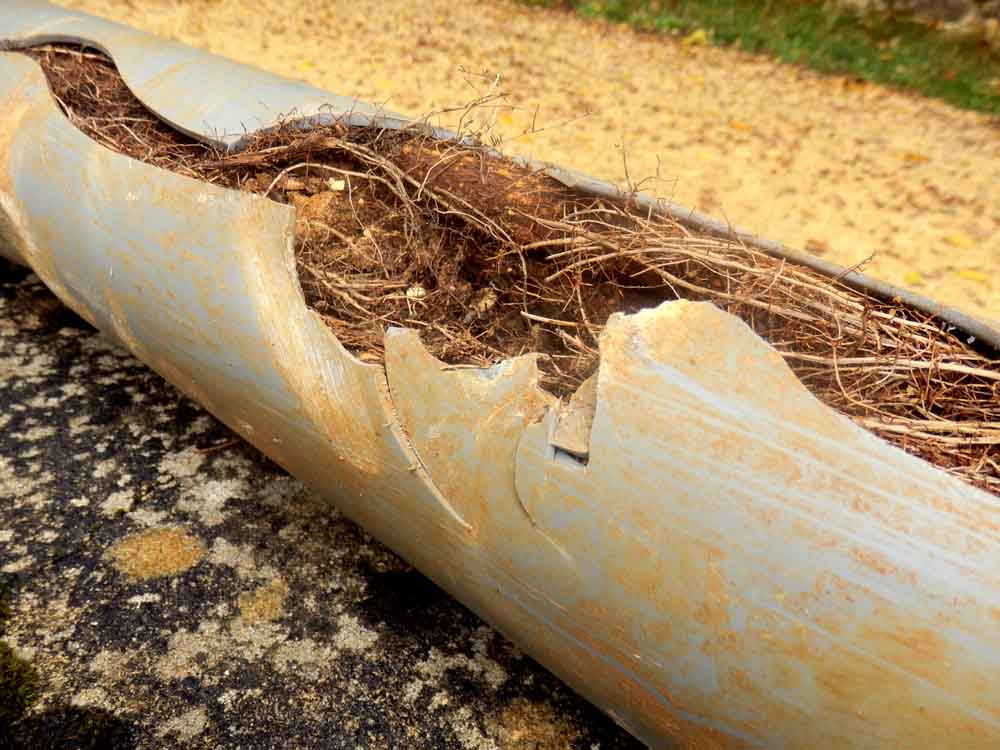
    Tree roots don’t need a big opening to cause trouble. They follow moisture, slip into hairline cracks, and slowly widen their access to your water line. What starts as a quiet intrusion can turn into pressure loss, discoloration, or sudden leaks that show up without warning. At Price Busters Plumbing & Sewer, we’ve seen how often these situations trace back to preventable root intrusion. When that happens, homeowners usually end up needing main water line repair in Bellevue, WA, sooner than expected.

    The goal isn’t just fixing damage after it appears. It’s stopping the conditions that invite it in the first place.

    Roots Don’t Attack Pipes. They Follow Weak Points.

    Roots aren’t aggressive. They’re opportunistic. A small crack or loose joint releases moisture into the surrounding soil, and that’s enough to draw roots in. Once inside, they expand and form dense networks that restrict flow. What makes this tricky is timing. By the time symptoms show up, the intrusion is often already established.

    Common early signals include:

    • Sudden drops in water pressure
    • Rust-tinted or cloudy water
    • Damp patches in the yard without rainfall
    • Unexplained increases in water usage

    These signs often overlap with deeper water line repair needs that go beyond surface-level fixes.

    Why Root Barriers Are More Than a Dig-and-Forget Solution

    Root barriers work by redirecting growth away from buried utilities. But placement matters more than the material itself. A barrier installed too shallow or too far from the line can leave the pipe exposed where roots naturally travel. In many cases, barriers are used alongside water line installation projects where soil conditions or nearby trees create predictable risk zones. The effectiveness comes from planning, not just installation.

    The Role of Pipe Condition in Root Intrusion

    Even the best barrier cannot compensate for a compromised line. Older pipes with corrosion or shifting joints create entry points that roots quickly exploit. This is where water line replacement becomes part of the long-term conversation. A structurally sound line reduces the chances of intrusion and stabilizes water flow under varying soil conditions. We often see that once a line has been reinforced or replaced, recurring issues tied to root growth decrease significantly.

    When Small Leaks Become Bigger Pressure Problems

    A minor leak might not seem urgent at first, but underground water loss changes everything around it. Soil softens, roots move toward the moisture, and pressure inside the system becomes uneven. Over time, this can develop into a situation that requires water main leak repair work, especially when multiple sections of the line are affected. The challenge is that these leaks rarely stay contained. Water follows the path of least resistance, and so do the roots.

    Why Prevention Depends on Timing, Not Reaction

    Once roots enter a water line, removal is only part of the solution. The underlying vulnerability remains unless addressed. That’s why water main repair and prevention strategies focus on identifying risk conditions early rather than reacting after failure.

    Key prevention approaches include the following:

    • Inspecting older lines before peak root growth seasons
    • Evaluating soil moisture patterns around buried utilities
    • Upgrading weak pipe sections before intrusion occurs
    • Combining root barriers with proactive line assessments

    These steps reduce the likelihood of repeated disruptions and extend the stability of the system.

    FAQs

    Can root barriers stop all pipe damage?

    No. They reduce risk but cannot protect against existing pipe weaknesses or poor installation conditions.

    How do I know if roots are already in my water line?

    Signs include pressure loss, discolored water, and inconsistent flow throughout the home.

    Is repair always enough, or is replacement sometimes required?

    If pipe damage is extensive or recurring, water line replacement may be the more stable solution.

    Do all properties need root barriers?

    Not always. They are most useful in areas with mature trees near buried water lines.

    A Smarter Approach to Underground Protection

    Water line issues rarely start as emergencies. They build quietly underground as soil, moisture, and pressure shift over time. Price Busters Plumbing & Sewer delivers focused water line repair that addresses both active damage and early risk signs. From diagnostics to full system upgrades, we prioritize reliable results, precise work, and fast response when it matters most. Send us a message today to schedule a service appointment!

    Need a Plumber in the Seattle Area?

    Price Busters Plumbing & Sewer is ready to help. Call us or request service online and we’ll be in touch right away.
  • Signs Your Drains Need Hydro Jetting (Beyond Just Slow Flow)

    Signs Your Drains Need Hydro Jetting (Beyond Just Slow Flow)

    A slow drain is easy to dismiss. Water still goes down, just a bit slower than usual, so most people wait it out. The problem is that serious buildup inside the pipes rarely starts with a full blockage. It builds quietly in layers until everyday use starts pushing the system past its limit. When homeowners call for the services of a plumber in Edmonds, WA, the Price Busters Plumbing & Sewer team often sees this pattern, especially after months of subtle warning signs that were easy to overlook.

    Hydro jetting is one of the most effective ways to clear out hardened buildup, but the real question is knowing when the system is already asking for it.

    Recurring Clogs That Keep Coming Back

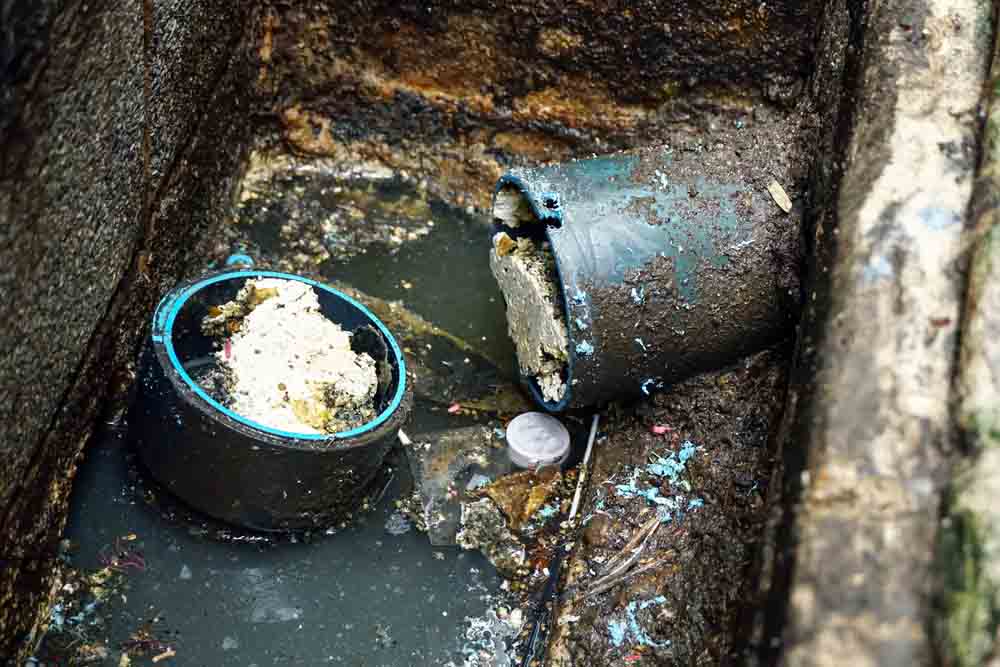
    A drain that clears and then clogs again shortly after usually points to buildup deeper in the line. Store-bought cleaners or basic snaking may open a small path, but grease, soap residue, and debris often remain along the pipe walls. This is where hydro jetting can make a difference. High-pressure water can break apart hardened layers that standard drain cleaning methods leave behind, restoring more complete pipe flow.

    Multiple Fixtures Acting Up at Once

    When more than one drain starts acting slow, the issue is rarely isolated. It often signals buildup in a shared branch line or main sewer connection.

    Signs include:

    • Toilets draining slower than sinks or tubs
    • Gurgling sounds when water runs in another room
    • Water backing up in low-level drains first
    • Sudden changes in flushing performance

    These patterns often require deeper plumbing repair because the issue is no longer confined to a single fixture.

    Foul Odors That Don’t Go Away

    Persistent sewer-like smells coming from drains can indicate trapped waste along pipe walls. Even when water flows, residue can remain and start breaking down inside the line.

    This is often one of the earliest signs that standard plumbing maintenance is no longer enough to keep the system clean. Hydro jetting helps remove that lingering buildup rather than masking the odor temporarily.

    Toilets That Struggle Without Warning

    A toilet that flushes weakly or needs multiple attempts to clear can signal restricted flow in the line. In some cases, the issue is in the fixture itself, but repeated problems often trace back to deeper pipe buildup. This can overlap with toilet repair needs, especially when flushing changes suddenly or unpredictably.

    Backups During Heavy Use

    If drains begin to slow or back up during laundry cycles, showers, or dishwashing, it suggests the system is struggling to handle volume. That strain can quickly turn into a full sewer backup if left unaddressed. Hydro jetting is often used at this stage to remove accumulated material that restricts normal flow.

    When Clearing the Drain Is No Longer Enough

    Basic fixes can restore temporary flow, but they don’t always address what is coating the inside of the pipes. That layer continues to narrow the passage and trap more debris over time. In some cases, recurring issues may even point toward larger system concerns that require sewer replacement, especially in older lines with heavy buildup or structural wear.

    FAQs

    How is hydro jetting different from snaking a drain?

    Snaking breaks through blockages, while hydro jetting clears buildup along the full pipe wall using high-pressure water.

    Is hydro jetting safe for older pipes?

    It depends on pipe condition. A professional inspection is needed before service is performed.

    How often should drains be cleaned?

    It varies by usage, but recurring issues usually indicate deeper buildup that needs attention.

    Can hydro jetting fix all clogs?

    It is highly effective for buildup-related clogs but may not resolve structural pipe damage.

    Restoring Flow the Right Way

    Drain problems rarely show up all at once. They build slowly as debris and residue collect inside the pipes until flow starts to struggle. Price Busters Plumbing & Sewer handles hydro jetting, drain cleaning, and emergency plumbing when urgent issues come up. Our team delivers dependable plumbing and fixture services and shows up on time when it matters most, with 24/7 support available when the situation can’t wait!

    Need a Plumber in the Seattle Area?

    Price Busters Plumbing & Sewer is ready to help. Call us or request service online and we’ll be in touch right away.
  • The Lukewarm Water Mystery: Diagnosing Partial Water Heater Failures

    The Lukewarm Water Mystery: Diagnosing Partial Water Heater Failures

    Hot water that starts strong and then fades to lukewarm mid-shower is more than an annoyance. It’s a signal that your water heater is struggling to keep up with demand or maintain consistent heating. We see this pattern often at Price Busters Plumbing & Sewer, especially in homes where internal components are beginning to wear unevenly.

    When homeowners start dealing with inconsistent temperatures, it’s common for the conversation to turn toward water heater repair in Lynnwood, WA, as the system is already showing early signs of breakdown.

    Partial failures are tricky because the unit still runs. It heats. It delivers water. But not in a reliable way.

    water heater repair in Lynnwood, WA

    When Heating Elements Don’t Pull Equal Weight

    In electric water heaters, two heating elements typically work in sequence. The upper element heats first, then the lower one takes over to maintain temperature in the tank. If one element weakens or fails, the system continues running, but output drops noticeably over time. The result is water that begins hot and quickly turns lukewarm.

    We often identify this issue during routine water heater services, especially in units that have not been flushed regularly. Sediment buildup at the bottom of the tank can insulate the lower element, forcing it to work harder while delivering less heat.

    Sediment Buildup That Quietly Changes Performance

    Minerals naturally present in water settle at the bottom of storage tanks over time. The U.S. Geological Survey notes that hard water minerals like calcium and magnesium commonly accumulate in household plumbing systems, especially in areas with untreated water sources.

    That buildup reduces heating efficiency and creates uneven temperature distribution inside the tank. When sediment thickens, homeowners often notice the following:

    • Water takes longer to heat fully
    • Temperature fluctuates during use
    • Rumbling or popping sounds from the tank
    • Reduced hot water volume overall

    Why Tankless Systems Still Struggle

    A tankless water heater negates storage issues, but it is not immune to performance problems. Mineral scaling inside the heat exchanger can restrict flow and reduce heating efficiency. When that happens, water may start hot but drop in temperature when demand increases.

    In many cases, cleaning and calibration restore performance, but recurring issues often point to deeper wear inside the system.

    When Repairs Stop Keeping Up

    Not every system recovers fully through adjustments. Some units reach a point where internal wear or corrosion limits consistent output.

    • Repeated temperature drops even after servicing
    • Visible rust or leakage around the tank
    • Increasing energy use without improved performance
    • Inconsistent heating across multiple fixtures

    At that stage, homeowners often weigh whether continued work on the existing unit makes sense or whether a more stable solution in the form of a new water heater installation is needed.

    Replacement Becomes Part of the Conversation

    When a system can no longer maintain steady output, a full water heater replacement is the best solution to restore consistent performance. Modern units are designed for improved efficiency and better temperature regulation, especially when matched correctly to household demand. Choosing between repair and replacement depends on system age, condition, and how frequently issues return after service.

    FAQs

    Why does my water get hot then turn lukewarm?

    This usually points to a failing heating element, sediment buildup, or reduced system capacity.

    Can sediment damage a water heater permanently?

    Yes. Over time, buildup can reduce efficiency and place strain on internal components.

    Do tankless systems eliminate temperature problems?

    Not entirely. They can still experience scaling and flow-related issues.

    How long should a water heater last?

    Most units last 8 to 12 years, depending on maintenance and water quality.

    Steady Hot Water Starts With the Right Attention

    Inconsistent hot water rarely appears without warning signs. It builds gradually through small inefficiencies that compound over time. Price Busters Plumbing & Sewer provides water heater services focused on identifying those underlying issues early, using trusted manufacturers’ products, delivering reasonable pricing, and showing up on time. Schedule a service with us today to keep the hot water flowing!

    Need a Plumber in the Seattle Area?

    Price Busters Plumbing & Sewer is ready to help. Call us or request service online and we’ll be in touch right away.
  • The Domino Effect of Ignoring a Small Sewer Backup

    The Domino Effect of Ignoring a Small Sewer Backup

    A small sewer backup can look harmless at first. Slow drains, a faint odor, or a bit of gurgling may not seem urgent, but those early signs often point to a blockage forming deeper in the system. We’ve seen how quickly things shift once pressure builds inside the line. At Price Busters Plumbing & Sewer, we regularly respond to situations that started as minor concerns and turned into full system disruptions. Those early warning signs often go unnoticed until the issue has been developing long enough that homeowners start reaching out to Price Busters Plumbing & Sewer for sewer repair in Seattle, WA.

    How a Small Blockage Starts the Chain Reaction

    A sewer line depends on steady, unobstructed flow. When debris, grease, or tree roots begin narrowing the pipe, wastewater slows down. That slowdown increases pressure behind the blockage, forcing waste to look for the nearest escape point, often back into the home.

    According to the U.S. Environmental Protection Agency, household sewer backups are commonly linked to pipe obstruction and aging infrastructure, especially in older residential systems. Even a partial restriction can trigger system-wide strain, forcing owners to replace sewer line sections.

    What Gets Worse Faster Than Expected

    A small backup does not stay small for long. Once flow is restricted, the system begins to react in ways that affect multiple parts of the property.

    • Water may drain slowly in sinks, tubs, and toilets across different rooms
    • Pressure can force wastewater into lower drains first, often in basements
    • Air trapped in the line can create bubbling or gurgling sounds
    • Odors may begin entering living spaces through drain openings

    Each symptom reflects the same issue developing deeper inside the line.

    Why Sewer Pipe Stress Builds Quickly

    When wastewater cannot move freely, it starts pressing against pipe walls and joints. Older pipes or weakened sections become more vulnerable under this pressure. In many cases, what begins as a partial obstruction leads to cracks or joint separation.

    We often evaluate systems that require sewer pipe line repair work after long periods of ignored slow drainage. The damage is not always immediate, but it develops steadily as pressure remains inside the system!

    When Repair Is No Longer Enough

    There are situations where repeated blockages point to a larger structural issue. At that stage, targeted fixes may not restore reliable function, and a more complete solution becomes part of the conversation.

    • Pipe collapse or heavy root intrusion
    • Severe corrosion in aging materials
    • Repeated blockages in the same section of line
    • Misaligned or separated joints

    In these cases, homeowners may need to consider options that involve a full sewer replacement or system update.

    How Small Backups Spread Through the Home

    A sewer system is interconnected, so one restriction affects everything connected to it. A blockage in the main line can influence bathrooms, kitchens, and laundry areas at the same time. Even appliances like dishwashers and washing machines can push water into an already strained system.

    When this happens, the backup is no longer isolated. It becomes a system-wide pressure issue that spreads through multiple fixtures.

    FAQs

    What causes a small sewer backup in the first place?

    Common causes of sewer backup include grease buildup, tree root intrusion, and debris collecting in older pipes.

    Can a small backup clear on its own?

    No. Even if symptoms temporarily ease, the blockage usually remains and continues to grow.

    How do I know if it is a main line issue?

    Multiple drains backing up at once often point to a main line problem rather than a single fixture.

    Is sewer backup always an emergency?

    Not always, but delaying response can allow the blockage to worsen and affect more of the system.

    Keeping Small Issues from Spreading

    A sewer system rarely fails all at once. It usually gives early warnings that are easy to overlook. Price Busters Plumbing & Sewer focuses on identifying those early signs and delivering reliable sewer repair services that address the source of the problem. We provide value-adding services with long-term savings potential, reasonable prices, products from trusted manufacturers, on-time arrivals, and 24/7 emergency service when conditions require immediate attention. Contact us today to schedule a service appointment!

    Need a Plumber in the Seattle Area?

    Price Busters Plumbing & Sewer is ready to help. Call us or request service online and we’ll be in touch right away.
  • Why Your Sump Pump “Cycles” Too Often: Identifying the Dangers of Short-Cycling

    Why Your Sump Pump “Cycles” Too Often: Identifying the Dangers of Short-Cycling

    Frequent on-and-off cycling is one of the clearest signs your sump pump needs attention. That pattern forces the motor to work harder than it should, leading to early wear. Many homeowners reach out after noticing the repeated noise and wondering if their system can keep up. The cause often points to a pit that fills too fast or a component that isn’t working as it should.

    As the go-to experts on sump pump repair in Shoreline, WA, Price Busters Plumbing & Sewer recommends addressing this issue early before further complications develop.

    When the Pit Size Works Against You

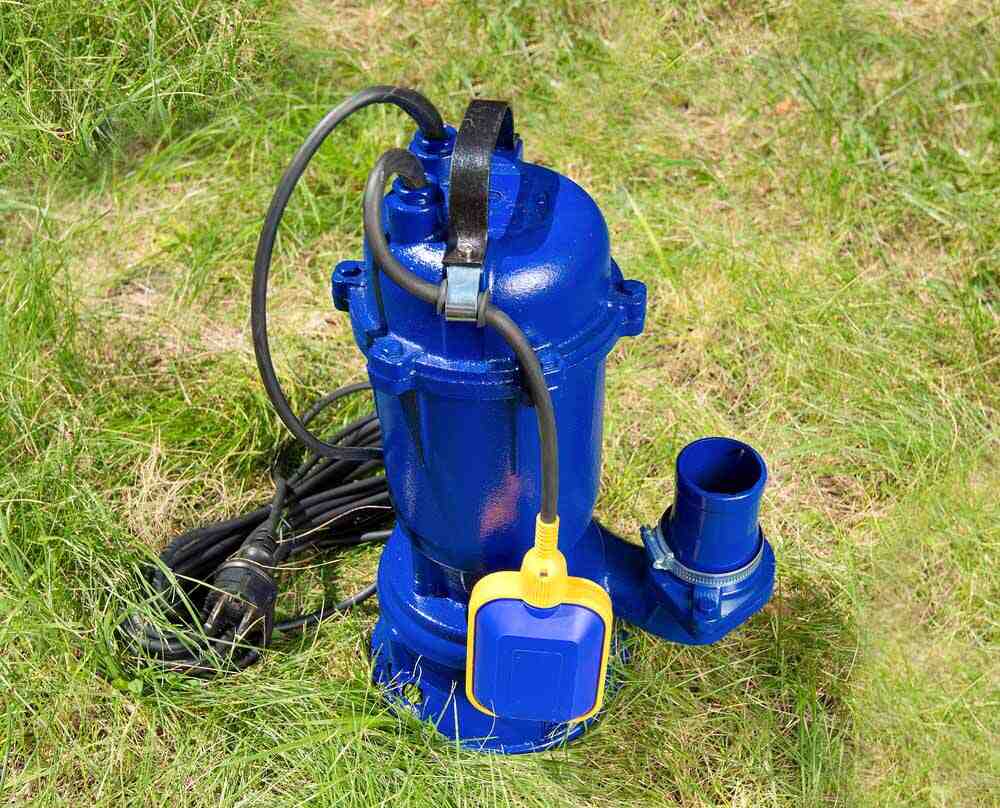
    A sump pump relies on the pit to collect water before activating. If the pit is too small, it fills quickly and triggers the pump over and over again. Each cycle may only run for a few seconds, which creates extra wear on the motor.

    According to the U.S. Department of Energy, frequent starts and stops are one of the leading causes of electric motor failure in household equipment. In a sump system, that kind of stress adds up fast.

    During a proper sump pump installation, we look closely at pit dimensions and drainage flow. A correctly sized basin gives the pump enough time to run a full cycle, reducing strain and improving overall performance.

    The Float Switch Problem You Can’t Ignore

    The float switch tells your pump when to turn on and off. If it’s stuck, misaligned, or worn out, it can trigger rapid cycling even when water levels are low. We often find switches tangled against the pit wall or reacting too quickly to small changes in water level.

    Routine sump pump service helps catch these issues early. Cleaning the pit, adjusting the float, and checking for obstructions can prevent unnecessary cycling. Left unchecked, a faulty switch can burn out the motor long before the pump reaches its expected lifespan.

    Motor Burnout Happens Faster Than You Think

    Short-cycling doesn’t give your pump time to cool between runs. That repeated strain builds heat inside the motor. Over time, internal components wear down and fail.

    The Federal Emergency Management Agency reports that sump pump failures are a common contributor to basement flooding during heavy rain events. Many of those failures stem from overworked systems that were cycling too often.

    If your system is already showing signs of wear, sump pump replacement may be the better route instead of repeated fixes. A new unit matched to your home’s drainage needs can restore reliable operation.

    Basement Risks Start Small

    A pump that cycles too often might still remove water, but it’s working inefficiently. That leaves little room for error during storms or high groundwater conditions. Even a brief failure can lead to water collecting in your sump pump basement area, damaging flooring, walls, and stored belongings.

    Addressing the cause early helps keep your system running the way it should. Small adjustments or component changes can make a big difference in how your pump performs day to day.

    FAQs

    What is short-cycling in a sump pump?

    It means the pump turns on and off too frequently, often due to pit size or switch issues.

    Can I fix a float switch myself?

    Simple adjustments are possible, but worn or damaged switches usually need professional replacement.

    How long should a sump pump last?

    Most pumps last around 7 to 10 years, though frequent cycling can shorten that lifespan.

    Is a larger pit always better?

    Not always, but the pit should match your home’s water flow and pump capacity.

    Let’s Get Your System Back on Track

    When your sump pump starts acting up, it’s a sign your system needs attention. Price Busters Plumbing & Sewer brings hands-on experience, value-adding services with long-term savings potential, and reasonable prices to every job. We use products from trusted manufacturers, arrive on time, and offer 24/7 emergency service when problems can’t wait. Reach out today and let’s sort out what’s causing the cycling before it turns into a bigger headache!

    Need a Plumber in the Seattle Area?

    Price Busters Plumbing & Sewer is ready to help. Call us or request service online and we’ll be in touch right away.
  • Post-Hydro Jetting Maintenance: Keeping Drains Clean Longer

    Post-Hydro Jetting Maintenance: Keeping Drains Clean Longer

    After investing in hydro jetting to clear stubborn clogs, it’s tempting to assume your drains will stay clean indefinitely. The reality is different: even the most thorough jetting only resets the system, yet it doesn’t prevent debris, grease, or hair from accumulating again. Homeowners often call us looking for guidance on maintaining clean drains, and we explain practical steps to extend the benefits of hydro jetting. When ongoing issues appear and you need a dependable plumber in Kirkland, WA, we are ready to provide expert advice, plumbing repair, and emergency plumbing services when necessary.

    Why Hydro Jetting Is Only the Starting Point

    Hydro jetting uses high-pressure water to remove buildup inside your pipes. It’s effective at clearing grease, scale, and tree roots, and it restores full flow. However, several factors can reduce the longevity of the results:

    • Frequency of Use: Homes with heavy water usage or multiple bathrooms cycle more water through pipes, bringing more debris.
    • Drain Habits: Pouring grease down the sink, flushing fibrous materials, or letting hair accumulate accelerates clogs.
    • Pipe Condition: Older or corroded pipes have rougher surfaces, which allow debris to cling more easily.

    Understanding these factors helps homeowners plan ongoing care to maintain optimal drainage.

    Practical Maintenance Steps After Hydro Jetting

    Hydro jetting provides a clean slate, but consistent drain cleaning maintenance keeps clogs at bay. Steps include the following:

    • Routine Drain Cleaning: Use professional drain cleaning services periodically to remove minor buildup before it becomes a blockage.
    • Screen and Filter Installation: Catch hair, food scraps, and debris before they enter the drain.
    • Safe Disposal Practices: Avoid pouring grease or fibrous foods down kitchen sinks and educate household members about proper disposal.
    • Scheduled Inspections: Professional plumbing teams can check pipes for early signs of wear, corrosion, or tree root intrusion.

    Following these measures reduces the likelihood of recurring clogs and extends the life of the hydro jetting results.

    When to Call for Professional Help

    Even with excellent habits, some issues require expert intervention:

    • Slow Drains: Persistent slow flow may indicate hidden buildup or pipe damage.
    • Strange Noises: Gurgling or bubbling in drains can signal blockages further downstream.
    • Recurring Clogs: Repeated backups often require additional hydro jetting or targeted plumbing repair.
    • Emergency Situations: Sudden backups or leaks demand immediate emergency plumbing attention to prevent water damage.

    Early action helps prevent small annoyances from becoming larger, costlier problems.

    Long-Term Benefits of Post-Hydro Jetting Care

    Taking care of your drains after hydro jetting does more than prevent clogs. It helps maintain water quality, avoids unpleasant odors, and reduces the need for emergency repairs. Scheduled maintenance and proper habits also save homeowners money by preventing extensive pipe damage and emergency service calls.

    FAQs

    How often should I schedule drain cleaning after hydro jetting?

    Typically every 6–12 months, depending on usage and pipe condition.

    Can I perform maintenance myself?

    Basic steps like using strainers or avoiding grease help, but professional inspections and cleaning ensure lasting results and lessen the likelihood of emergency plumbing scenarios.

    Will hydro jetting damage older pipes?

    When performed by trained professionals, hydro jetting is safe for most pipe types, including PVC and metal.

    What should I do if drains start slowing again?

    Call a licensed plumber to assess for blockages, damage, or pipe wear.

    Say Goodbye to Clogged Drains for Good

    Hydro jetting is a powerful solution, but ongoing care maximizes its benefits. Price Busters Plumbing & Sewer provides expert drain cleaning, plumbing repair, and emergency plumbing services, helping homeowners maintain clear drains longer. Our team offers trusted products, reasonable pricing, on-time arrivals, and 24/7 support for urgent issues. Call us today to keep your plumbing running smoothly with minimal hassle!

    Need a Plumber in the Seattle Area?

    Price Busters Plumbing & Sewer is ready to help. Call us or request service online and we’ll be in touch right away.
  • Water Pressure vs. Flow Rate: Understanding What Your Water Line Delivers

    Water Pressure vs. Flow Rate: Understanding What Your Water Line Delivers

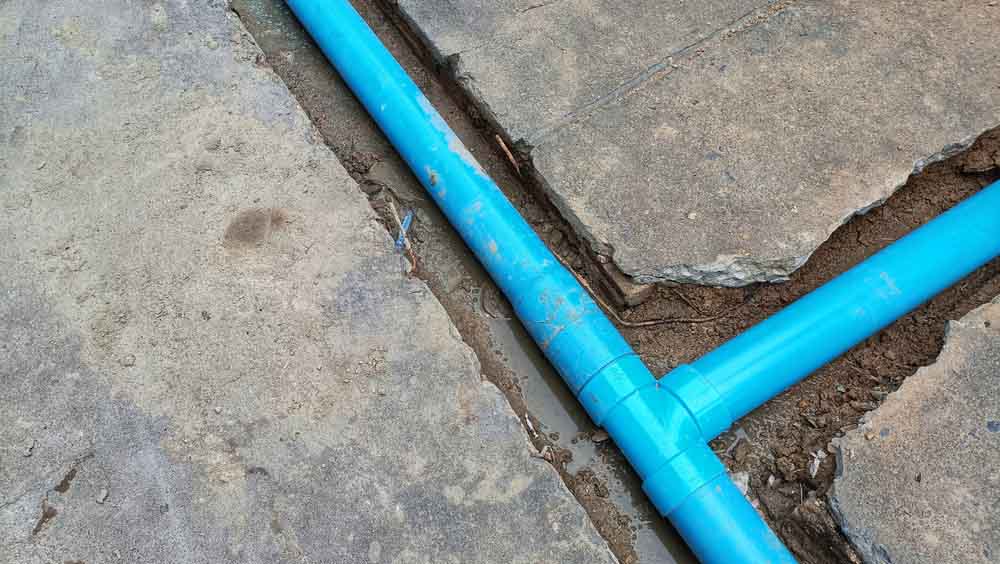
    Low water pressure or sluggish taps can disrupt daily routines and signal trouble in the main water line rather than individual fixtures. When homeowners notice these issues, our team at Price Busters Plumbing & Sewer provides expert main water line repair in Bellevue, WA, and helps property owners understand the difference between water pressure and flow rate, guiding them toward the right repairs or upgrades.

    What Pressure and Flow Actually Mean

    Water pressure measures how hard water is pushed through the pipes, usually in pounds per square inch (PSI). Flow rate measures how much water comes out over a period of time, often in gallons per minute (GPM). Both are critical for daily use, but problems in the water line can affect them differently.

    • High pressure but low flow may indicate a clogged or partially collapsed pipe.
    • Low pressure and low flow often point to a leak, corrosion, or other major obstruction.
    • Fluctuating pressure could result from intermittent water main issues or aging valves.

    Understanding the distinction helps homeowners recognize the need for professional water line repair before small problems become bigger ones.

    Common Causes of Water Line Problems

    A variety of factors can compromise water delivery, from old infrastructure to environmental stress:

    • Pipe corrosion or mineral buildup in metal lines.
    • Tree roots intruding into buried water lines.
    • Seasonal ground movement causing pipe cracks or separation.
    • Wear and tear from years of use, especially in older homes.

    When these issues appear, it may require water line replacement or targeted water main repair to restore reliable service.

    Signs You Need Professional Help

    Certain warning signs indicate it’s time to call a licensed plumber:

    • Continuous drops in pressure at multiple fixtures.
    • Visible pooling or soggy areas in the yard.
    • Unusual noises in pipes like banging or hissing.
    • Discolored or foul-smelling water.

    Prompt action allows teams to perform repairs such as water main leak repair or targeted replacement with minimal disruption to your home.

    FAQs

    How is water pressure tested?

    Plumbers use gauges at faucets or exterior spigots to measure PSI and identify pressure inconsistencies.

    Can low flow happen even with good pressure?

    Yes. Blockages, pipe diameter issues, or leaks can reduce flow even when pressure seems normal.

    Are water main repairs disruptive?

    Traditional excavation can be disruptive, but modern water main repair techniques minimize property impact.

    How long do water lines typically last?

    Material and installation quality matter, but most pipes last 50–75 years depending on conditions and maintenance.

    Take Control of Your Water System

    Reliable water delivery is essential for home safety and comfort. Price Busters Plumbing & Sewer provides expert services for water line installation, maintenance, and repairs. With trusted products, reasonable prices, on-time arrivals, and 24/7 emergency support, we make it simple to restore proper water pressure and flow, keeping your home running smoothly!

    Need a Plumber in the Seattle Area?

    Price Busters Plumbing & Sewer is ready to help. Call us or request service online and we’ll be in touch right away.
  • The Temperature Sweet Spot: Why 120°F Isn’t Always the Right Answer

    The Temperature Sweet Spot: Why 120°F Isn’t Always the Right Answer

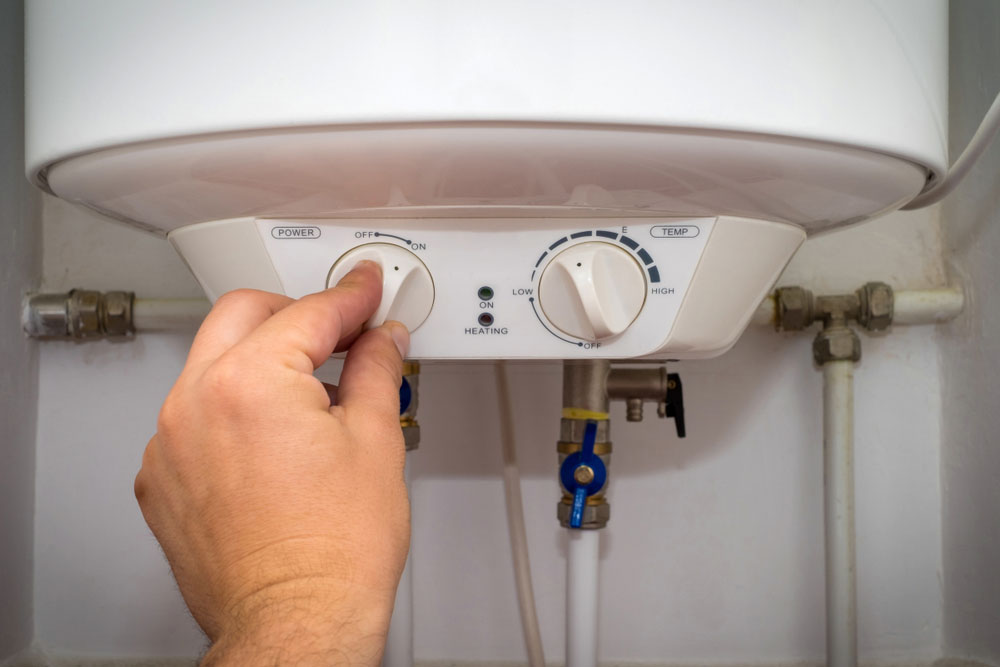
    Many homeowners follow the standard advice to set their water heater at 120°F, but that temperature isn’t perfect for every home. Lukewarm showers, slow recovery, or higher-than-expected energy bills are common signs that the system may need attention. When these issues arise, our team at Price Busters Plumbing & Sewer provides expert water heater repair in Edmonds, WA, and helps homeowners find the right temperature for safe, efficient, and comfortable hot water.

    Understanding the Standard Recommendation

    The U.S. Consumer Product Safety Commission suggests 120°F to reduce the risk of scalding, especially for households with children or older adults. While this is a safe baseline, it doesn’t consider individual water usage patterns, household size, or appliance demands.

    • Smaller households with low water demand may find 120°F sufficient.
    • Larger homes or households with multiple bathrooms may experience lukewarm showers during simultaneous use.
    • Homes with high-efficiency appliances may require slightly higher temperatures for proper operation.
    • Professional water heater services help determine if your system meets your household needs and recommend adjustments safely.

    Factors That Affect Water Heater Performance

    Several elements influence whether 120°F is adequate:

    • Tank Size: Smaller tanks may run out faster, even at higher temperatures.
    • Recovery Rate: Older or failing units struggle to heat water quickly.
    • Type of System: Tankless water heater systems have different recovery dynamics compared to traditional tanks.
    • Pipe Layout: Long runs or poorly insulated pipes can reduce hot water delivery temperature.

    Recognizing these factors allows homeowners to avoid unnecessary energy waste while ensuring hot water is available when needed.

    Adjusting Without Risk

    If you decide a higher temperature is needed, follow these precautions:

    • Increase temperature gradually by 5°F increments.
    • Test water at faucets before full use.
    • Ensure the water heater thermostat is accurate and functioning correctly.
    • Consider anti-scald devices for showers and sinks.

    Regular visits from water heater installation and repair technicians ensure that adjustments are safe and effective.

    When It’s Best to Leave It to the Professionals

    Signs that professional evaluation is needed include fluctuating water temperature, strange noises, leaks, or visible corrosion. Our team at Price Busters Plumbing & Sewer can inspect the system, recommend proper water heater replacement if needed, or perform repairs to restore optimal function.

    FAQs

    Is 120°F safe for everyone?

    Yes, it is generally safe, but households with higher water demand may require a slightly higher setting.

    Can I raise the temperature on a tankless system?

    Yes, but adjustments should follow manufacturer guidelines and may require professional service.

    How often should a water heater be serviced?

    Annual inspections help catch issues early and maintain performance.

    Does temperature affect energy bills?

    Higher settings increase energy use; professional advice helps balance comfort and efficiency.

    Find the Sweet Spot

    Your home deserves hot water that’s reliable, safe, and tailored to your needs. At Price Busters Plumbing & Sewer, we handle everything from precise repairs to professional water heater installation and full-service maintenance. We use trusted products, keep prices fair, and arrive on time day or night. Don’t wait for lukewarm showers or surprise breakdowns! Call us today and experience water heater performance you can count on!

    Need a Plumber in the Seattle Area?

    Price Busters Plumbing & Sewer is ready to help. Call us or request service online and we’ll be in touch right away.
  • Rental Property Owners: Minimizing Tenant Disruption with Trenchless Solutions

    Rental Property Owners: Minimizing Tenant Disruption with Trenchless Solutions

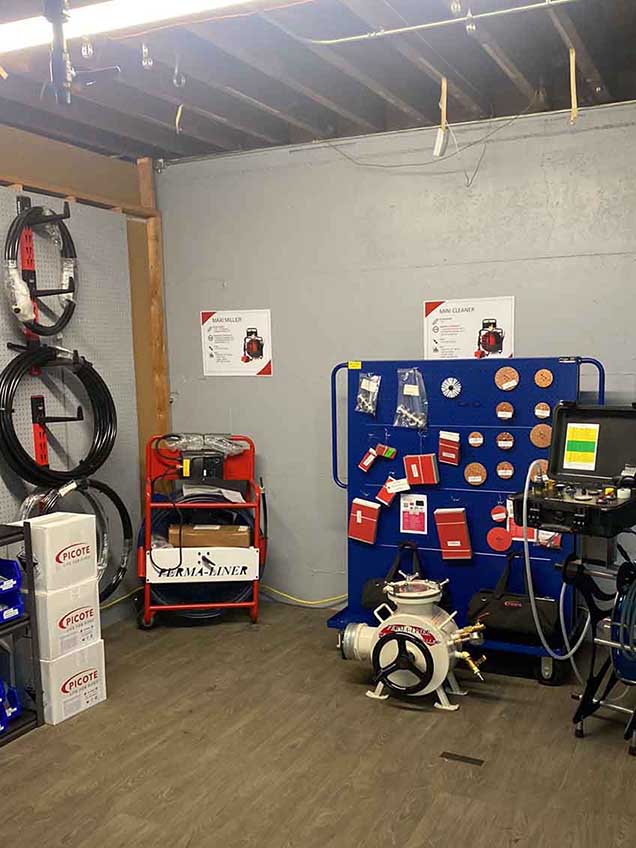
    Tenant complaints about plumbing issues can escalate quickly, especially when a sewer line fails. Waiting until a full-blown emergency hits often leads to angry tenants, water damage, and expensive cleanup. We see this frequently in multi-unit rental properties, which is why we emphasize the benefits of proactive trenchless sewer repair in Lynwood, WA. Trenchless methods allow property owners to address sewer problems efficiently, keeping tenants happy while avoiding extensive excavation.

    At Price Busters Plumbing & Sewer, we guide rental owners through options that minimize disruption and protect both the building and the people living in it.

    The Advantages of Going Trenchless

    Trenchless technology solves sewer problems with minimal digging. Unlike traditional methods, there’s no need to tear up lawns, driveways, or common areas. This approach reduces noise, dust, and the overall inconvenience for tenants.

    Benefits include:

    • Speedy Repairs: Most projects finish in a fraction of the time of conventional excavation.
    • Preserving Landscaping: No large trenches mean yards and outdoor spaces remain intact.
    • Lower Temporary Costs: Less labor and restoration work saves both time and money.

    Trenchless pipe repair and replacement procedures offer options depending on the condition of the system.

    Common Trenchless Methods for Rental Properties

    Rental properties often have older sewer lines that fail due to age, root intrusion, or shifting soil. Trenchless solutions adapt to these scenarios efficiently.

    • Trenchless pipe lining: A resin-coated liner is inserted into the existing pipe to seal cracks and restore flow.
    • Trenchless Pipe Replacement: Old pipes are replaced without extensive digging, often using a bore-and-pull method.
    • Sewer Camera Inspection: Before starting any repair, a camera inspection identifies blockages, breaks, or corrosion, ensuring the right solution is selected.

    These methods reduce the number of tenant complaints and prevent the disruption of shared spaces, hallways, and landscaped areas.

    Keeping Tenants Informed

    Communication is key when any maintenance occurs. Even though trenchless sewer replacement and repair methods are less disruptive, tenants appreciate knowing what is happening and when. We work with property owners to schedule repairs at convenient times and provide clear explanations about the process.

    Planning for Long-Term Efficiency

    Regular maintenance and inspection prevent surprises. A proactive approach using trenchless technology extends the life of the sewer system and lowers the chance of emergency calls. Incorporating trenchless pipe replacement or lining during scheduled maintenance keeps buildings functioning smoothly and tenants satisfied.

    FAQs

    Will trenchless repairs damage landscaping?

    Trenchless methods require little to no digging, preserving lawns, gardens, and outdoor spaces.

    How long does a trenchless repair take?

    Most repairs are completed in a few hours to a day, depending on pipe length and condition.

    Can older buildings benefit from trenchless solutions?

    Yes. Even deteriorated pipes can often be repaired or replaced without major excavation.

    Do I need a camera inspection before repair?

    Yes. A sewer camera inspection identifies the exact issue and ensures the proper method is chosen.

    Minimize Disruption and Protect Your Property

    Keeping tenants happy and properties running smoothly takes careful planning. Price Busters Plumbing & Sewer delivers practical, cost-effective solutions with trusted products, reasonable prices, and long-term savings. Our team shows up on time and is ready 24/7 for emergencies, all while limiting disruption for tenants. Schedule a service by reaching out to us today!

    Need a Plumber in the Seattle Area?

    Price Busters Plumbing & Sewer is ready to help. Call us or request service online and we’ll be in touch right away.
  • 5 Signs Your Landscaping is Hiding a Sewer Emergency (And How to Save Both)

    5 Signs Your Landscaping is Hiding a Sewer Emergency (And How to Save Both)

    Even pristine landscaping can hide serious plumbing issues. We often meet homeowners who think a soft patch of grass or an odd smell outside is a gardening issue. In reality, the sewer line below the yard may already be failing. Underground sewer problems rarely start with dramatic warnings. They usually appear quietly on the lawn first.

    The signs outside the home often tell the real story when sewer trouble is present. Many property owners contact Price Busters Plumbing & Sewer for sewer repair in Seattle, WA, and we help them recognize these outdoor clues before the problem reaches the house.

    #1 Soggy Patches That Never Seem to Dry

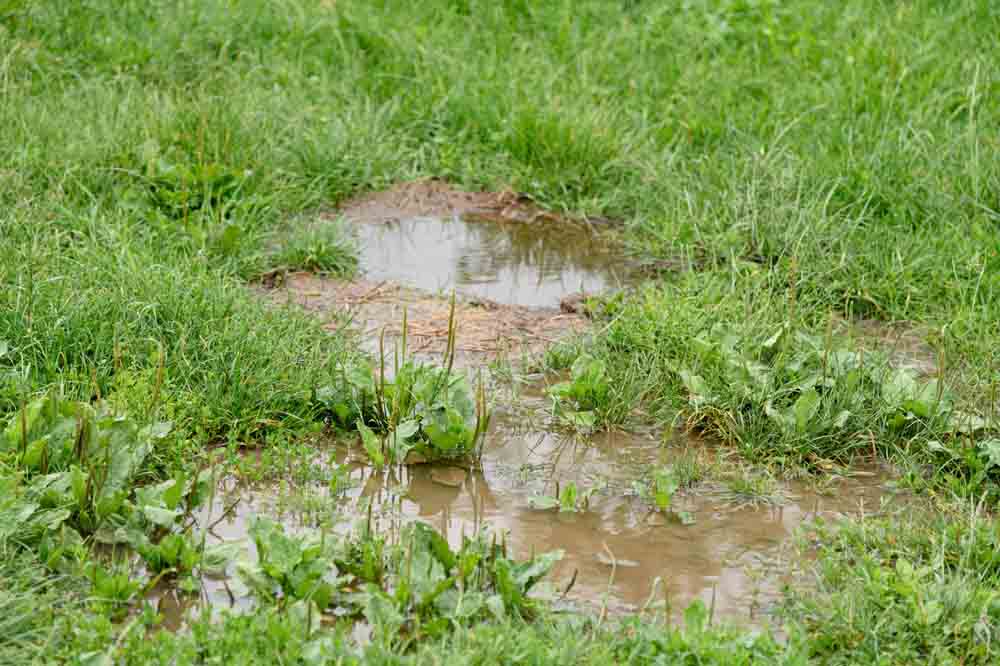
    One of the earliest warnings appears in the soil. If sections of the yard stay wet for long periods even without rain, wastewater may be leaking from the underground pipe. A sewer line leak releases nutrient-rich water into the surrounding soil, which can keep grass damp and unusually green.

    According to the U.S. Environmental Protection Agency, leaking sewer infrastructure can introduce untreated wastewater into soil and groundwater systems. In a residential yard, addressing the problem quickly often requires professional sewer repair services to locate and stop the leak.

    #2 Grass That Looks Too Good to Be True

    Lush grass can feel like a reward for good lawn care. Yet extremely thick or bright green patches in one area of the yard sometimes signal something else. Wastewater contains nitrogen and other nutrients that act like fertilizer.

    Researchers from university extension programs frequently note that abnormal plant growth over buried pipes can signal underground leaks. When these growth patterns appear above a damaged line, the situation may lead to the need to replace sewer line sections before the pipe weakens further.

    #3 Persistent Odors Around the Yard

    Sewer gas has a very recognizable smell. If that odor appears outdoors near flower beds, fences, or sidewalks, it often means gas is escaping from a cracked or separated pipe. Even a small opening in a sewer line can release odor that spreads through the yard.

    A licensed plumbing team performing sewer pipe line repair can locate the break using camera inspections and other diagnostic tools. Identifying the exact location prevents unnecessary digging across landscaped areas.

    #4 Patches of Sunken Soil or Shifting Ground

    Another clear warning sign is soil that slowly sinks. When a pipe breaks underground, the surrounding dirt may shift as wastewater washes soil away. Over time, the ground surface can dip or develop uneven spots.

    The American Society of Civil Engineers reports that aging underground infrastructure frequently develops cracks or joint separation. When ground movement appears above the line, homeowners sometimes need partial sewer replacement to stabilize the system and restore proper drainage.

    #5 Drain Problems That Appear at the Same Time

    Outdoor signs often appear alongside indoor plumbing trouble. If drains begin moving slowly while yard odors or soggy soil appear, both issues may share the same source.

    The National Association of Home Builders notes that a blocked or broken sewer line can push wastewater back toward the house. In more advanced cases, homeowners may experience a sewer backup, which can affect basement drains or lower-level fixtures.

    FAQs

    Why would sewer problems show up in my yard first?

    Sewer lines run underground, so leaks often reach the soil before affecting indoor plumbing fixtures.

    Is unusually green grass always a sewer leak?

    Not always. Lawn fertilizer or irrigation changes can cause similar growth patterns, so professional inspection helps confirm the cause.

    How are sewer problems located underground?

    Plumbers often use camera inspections to examine the interior of the pipe and pinpoint damage.

    Can landscaping be preserved during sewer repairs?

    Many repair methods focus on targeted access points that reduce disruption to lawns and gardens.

    Protect Your Yard Without Guesswork

    Outdoor warning signs often give homeowners the chance to act before plumbing trouble spreads indoors. Price Busters Plumbing & Sewer works with homeowners across the area to locate underground issues quickly and recommend practical solutions. Our team provides value-adding services with long-term savings potential, reasonable prices, and products from trusted manufacturers. Contact us today for on-time arrivals and 24/7 emergency services!

    Need a Plumber in the Seattle Area?

    Price Busters Plumbing & Sewer is ready to help. Call us or request service online and we’ll be in touch right away.

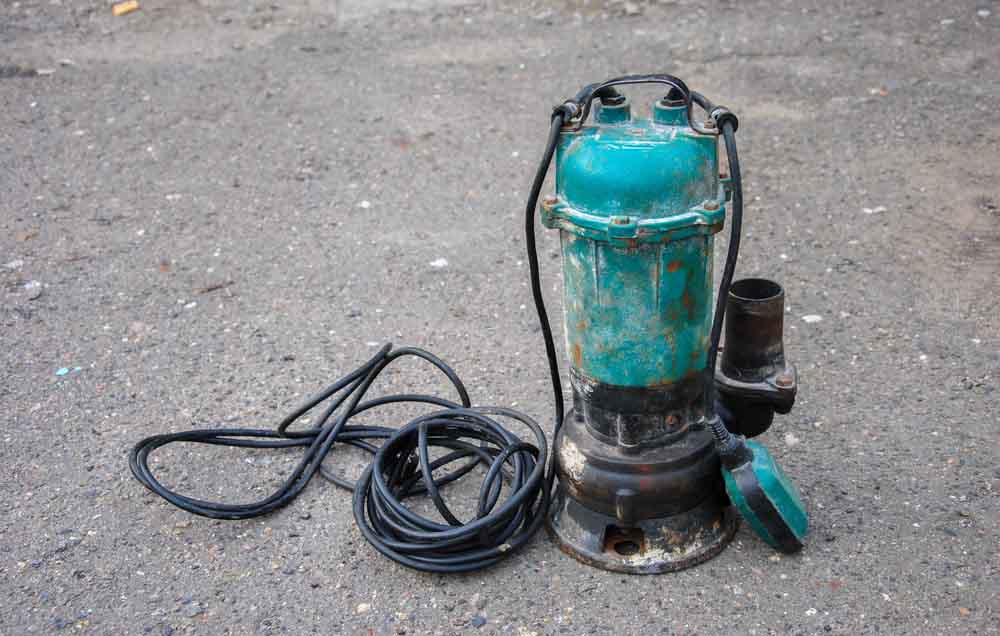
  • Why You Should Replace Your Sump Pump Before It Actually Breaks

    Why You Should Replace Your Sump Pump Before It Actually Breaks

    Most sump pumps fail at the exact moment you need them the most. We see it often in basements after a heavy rain when the pump has already reached the end of its working life. Water rises, the motor stalls, and the cleanup begins. Many homeowners assume a pump will run forever if it still turns on. The truth is different. Industry data shows these units have a limited lifespan, and waiting for failure often leads to a flooded basement.

    When people call Price Busters Plumbing & Sewer about sump pump repair in Shoreline, WA, they are often dealing with a pump that has already worked far beyond its expected service life. That is why we talk openly with customers about proactive replacement.

    The Quiet Lifespan Most Homeowners Never Hear About

    Many people are surprised to learn that sump pumps are not built to run for decades. According to several home inspection associations, the average sump pump lasts around 7 to 10 years depending on usage and maintenance. Pumps in wet climates can cycle hundreds of times during storm seasons. Over time, the float switch, motor bearings, and impeller wear down.

    The design and quality of sump pump installation also play a role in longevity. Pumps installed with the correct basin depth, discharge line, and electrical protection tend to run more reliably over the years.

    What Daily Wear Actually Looks Like

    A sump pump works every time groundwater rises around the foundation. Each cycle puts stress on the internal components. The American Society of Home Inspectors notes that float switches are one of the most common failure points because they move constantly.

    Regular sump pump service checkups help identify early signs of wear such as slow startup, vibration, or irregular cycling. These warning signals often appear long before the pump stops working.

    Why Preventative Replacement Makes Practical Sense

    When a pump approaches the end of its service life, replacing it before failure is often the smarter choice. Pumps that run for many years develop internal wear that cannot be seen from the outside. Motors draw more power and switches become unreliable.

    A well-planned sump pump replacement procedure allows homeowners to choose the right unit, upgrade to better equipment, and install backup systems if needed. It also avoids the stress that comes with sudden basement water during storms.

    Your Basement System Works Harder Than You Think

    Many properties in the Pacific Northwest rely heavily on basement drainage systems due to consistent rainfall and groundwater pressure. The Environmental Protection Agency explains that foundation drainage systems rely on pumps to remove collected groundwater from around the structure.

    In a typical sump pump basement system, the pump may cycle dozens of times during a single storm. Over several years, those cycles add up to thousands of starts and stops.

    FAQs

    How long does a sump pump usually last?

    Most units last around 7 to 10 years depending on usage and maintenance.

    What are signs a pump may be wearing out?

    Frequent cycling, unusual noise, vibration, and slow startup are common warning signs.

    Should a sump pump be tested regularly?

    Yes. Home inspectors and housing agencies recommend testing pumps a few times each year.

    Does heavy rainfall shorten pump life?

    Frequent cycling during storms increases wear on motors and switches over time.

    Work With a Team That Knows Basement Systems

    Basement drainage systems deserve careful attention. At Price Busters Plumbing & Sewer, we help homeowners stay ahead of pump failure with practical guidance and dependable service. Our team focuses on value-adding services with long-term savings potential, reasonable prices, and products from trusted manufacturers. Customers count on our on-time arrivals and 24/7 emergency service whenever urgent plumbing problems appear. Reach out to us today for top-quality sump pump services and more!

    Need a Plumber in the Seattle Area?

    Price Busters Plumbing & Sewer is ready to help. Call us or request service online and we’ll be in touch right away.