
Category: Uncategorized

  • How Acidic Pacific Northwest Glacial Till Accelerates Copper Main Failures

    How Acidic Pacific Northwest Glacial Till Accelerates Copper Main Failures

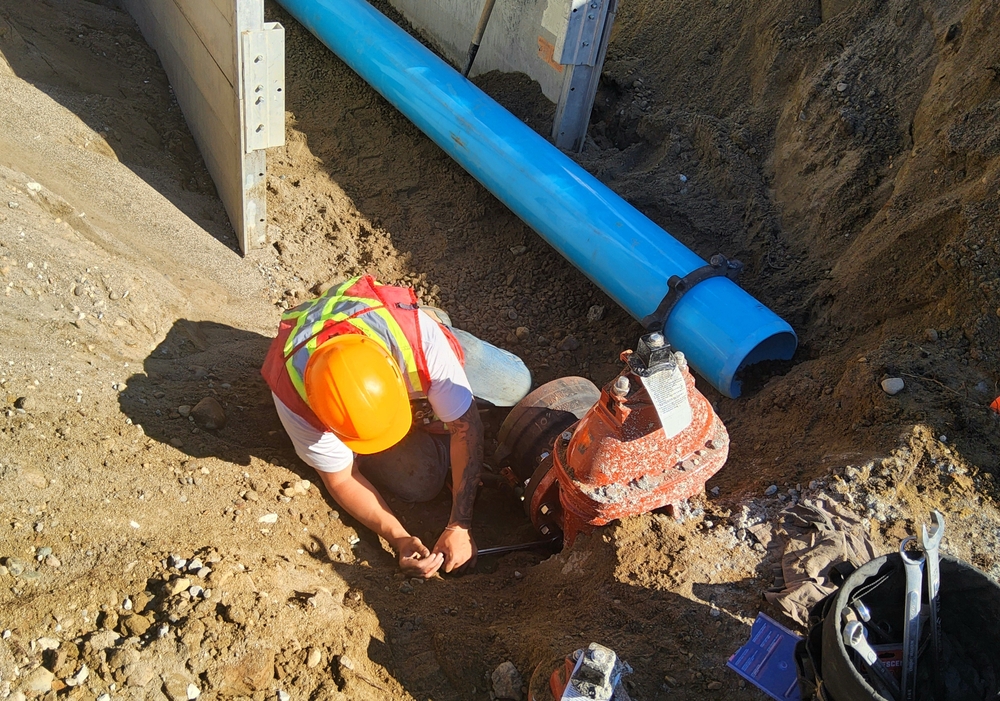
    A sudden soggy patch in the yard or an unexpected drop in water pressure often points to a problem that has been developing underground for years. Many Seattle and Everett homeowners are surprised to learn that buried copper water mains are not immune to soil conditions. In Western Washington, naturally acidic, moisture-rich soils can slowly degrade copper lines from the outside in. When that damage finally shows itself, it often leads to urgent main water line repair in Kirkland, WA, with Price Busters Plumbing & Sewer.

    How Soil Chemistry Impacts Buried Copper

    Soil in the Pacific Northwest contains a mix of glacial till, organic matter, and consistent moisture from frequent rainfall. According to the U.S. Geological Survey, glacial deposits often contain fine minerals and organic-rich layers that influence soil acidity and conductivity.

    When copper is buried in this environment, it is exposed to an electrolyte-rich medium. Moisture in the soil allows ions to move freely, which sets up conditions for electrochemical reactions on the pipe surface. Over time, this interaction becomes a key driver of corrosion.

    The Science Behind Pitting Corrosion

    Unlike uniform surface wear, pitting corrosion creates small, localized holes in metal. These pits form when tiny differences in soil chemistry create electrical imbalances along the pipe exterior. In essence, sections of the pipe begin to behave like a miniature battery cell.

    The U.S. Environmental Protection Agency has noted that corrosion in buried infrastructure is strongly influenced by soil resistivity, moisture levels, and chemical composition. In copper water lines, this process can remain hidden for years while the pipe wall gradually thins from the outside.

    Why Failures Often Appear Suddenly

    Copper mains can lose structural integrity slowly over time, but symptoms often appear all at once. A small pit can eventually penetrate the pipe wall, allowing pressurized water to escape into surrounding soil. This is why many homeowners first notice a leak when a wet area forms in the yard or water pressure drops inside the home.

    At that stage, water line repair becomes urgent because the damage is no longer isolated corrosion but an active leak point.

    Repair and Replacement Approaches That Address Root Causes

    When damage is localized, water line repair may restore service by replacing only the affected section. However, when corrosion is widespread, water line replacement is often the more reliable option to prevent repeated failures in nearby sections of pipe.

    In many modern installations, protective sleeving systems or high-density polyethylene (HDPE) lines are used instead of bare copper. These materials create a barrier between the pipe and surrounding soil, reducing direct electrochemical interaction. This approach significantly lowers the risk of recurring corrosion-related issues.

    How Installation Methods Affect Long-Term Performance

    Proper installation plays a major role in how long a water main performs. During water main repair work, attention is given to bedding material, soil conditions, and protective layering. In some cases, installation now includes corrosion-resistant materials specifically chosen for acidic or moisture-heavy soils common in the region.

    Even when a system is replaced, surrounding soil conditions remain an important factor in selecting the correct material.

    When a Leak Signals a Larger Underground Issue

    A water main leak repair often begins with locating the source of moisture and confirming whether the issue is isolated or part of broader pipe degradation. Modern detection tools help narrow down the location without unnecessary excavation, allowing technicians to assess the full extent of the problem before recommending next steps.

    FAQs

    What causes copper water lines to fail underground?

    Soil acidity, moisture, and electrochemical reactions can gradually weaken copper from the outside, leading to pitting corrosion.

    Can a copper main be repaired or does it need replacement?

    It depends on the extent of corrosion. Localized damage may be repaired, but widespread deterioration often requires replacement.

    How do I know if I have an underground water leak?

    Common signs include soggy areas in the yard, reduced water pressure, or unexplained increases in water usage.

    Are modern replacement materials more resistant?

    Yes. Materials like HDPE and sleeved systems reduce direct soil contact and lower corrosion risk.

    When underground water lines begin to fail, accurate diagnosis and the right materials make a major difference in long-term reliability. At Price Busters Plumbing & Sewer, we focus on value-adding services with long-term savings potential, reasonable prices, products from trusted manufacturers, on-time arrivals, and 24/7 emergency service. Whether it is a water line installation, maintenance, or repairs, our team provides steady, experienced support from start to finish. Reach out to us today to schedule an appointment!
    Need a Plumber in the Seattle Area?

    Price Busters Plumbing & Sewer is ready to help. Call us or request service online and we’ll be in touch right away.
  • How Heavy Glacial Silt Accruals Choke Northwest Tankless Heat Exchangers

    How Heavy Glacial Silt Accruals Choke Northwest Tankless Heat Exchangers

    When hot water starts running unevenly or takes longer to stabilize, the issue often sits inside the system where you cannot see it. In the Puget Sound region, fine glacial silt and mineral micro-sediments can quietly build up inside heating equipment over time. These particles are small enough to pass through standard filtration, yet abrasive enough to affect internal components. That is where issues often begin and where homeowners start looking into water heater repair in Bellevue, WA, through Price Busters Plumbing & Sewer.

    How Micro-Sediments Travel Through Northwest Water

    Even though municipal water in the region is treated and considered relatively soft compared to many parts of the country, it still carries suspended solids from mountain runoff and seasonal shifts in watershed flow. According to the U.S. Geological Survey, surface water systems in glacial regions can contain fine particulate loads that vary with rainfall and melt cycles. These particles are often measured in microns and can bypass common household filtration systems.

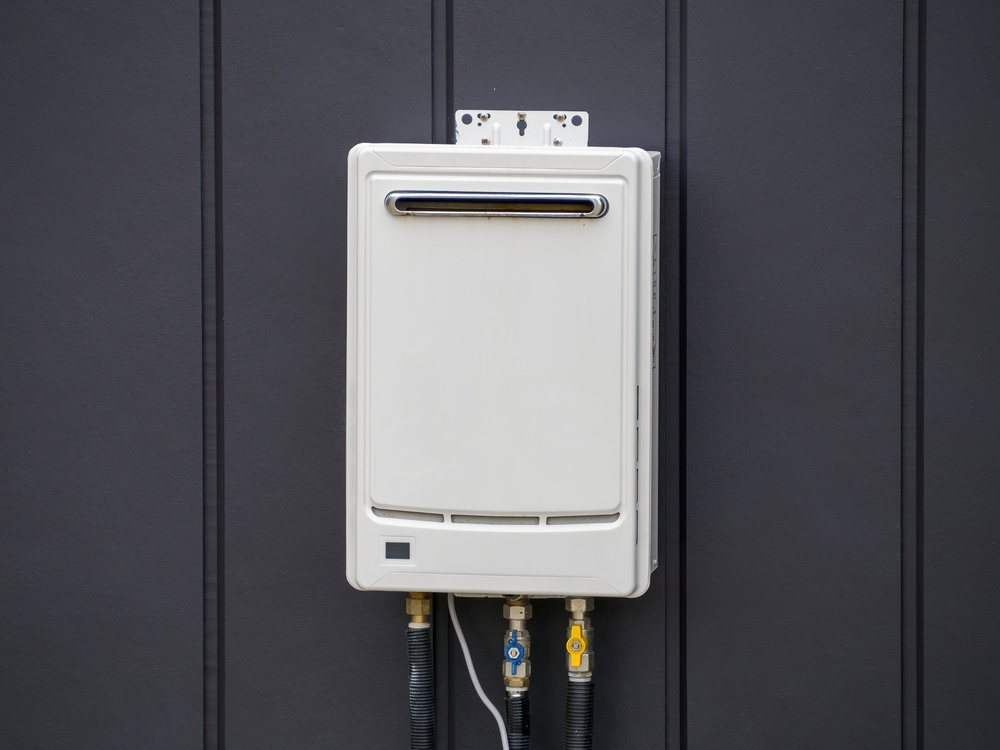
    In a tankless water heater, water moves through extremely narrow internal passages designed for rapid heat exchange. Even small levels of particulate buildup can affect how efficiently heat transfers across those surfaces.

    What Happens Inside a Heat Exchanger Over Time

    Inside a tankless system, water passes through a tightly wound copper or stainless steel heat exchanger. When micro-sediments enter this space, they behave like fine abrasive material. Over time, they create a sandpaper-like effect along the interior walls. This process contributes to gradual erosion-corrosion, especially where water velocity is highest.

    In many tankless water heater systems, even small deposits can create uneven heating zones. The U.S. Department of Energy has noted that scale and sediment buildup can reduce system efficiency and increase strain on heating components, particularly in high-demand residential applications.

    How Build-Up Affects System Performance

    As sediment layers form, water flow becomes less predictable. Some channels narrow while others remain partially clear, which creates uneven heat distribution. This imbalance can lead to cycling issues, delayed hot water delivery, and higher energy use.

    During routine diagnostics, we often find that buildup severity depends on maintenance frequency and water quality conditions. In some cases, water heater replacement is considered when internal erosion has progressed beyond practical cleaning limits.

    Cleaning and Protection Methods That Matter

    One of the most effective ways to restore performance is controlled descaling. This process dissolves mineral buildup inside the heat exchanger and helps restore internal flow pathways. In more advanced cases, filtration upgrades may be added upstream to reduce incoming particulate load.

    When new systems are installed, proper setup matters just as much as cleaning history. Correct water heater installation helps reduce early stress on internal components and supports more stable long-term operation.

    When Ongoing Service Becomes Necessary

    Tankless systems benefit from consistent inspection and maintenance. Over time, mineral content, sediment levels, and usage patterns all influence performance. Regular service helps identify early signs of restriction before they develop into larger issues that require more extensive correction.

    Many homeowners rely on scheduled water heater services to keep systems operating efficiently through seasonal changes, especially in areas where water composition shifts throughout the year.

    FAQs

    What causes sediment buildup in tankless water heaters?

    Fine minerals and glacial runoff particles can pass through standard filtration and accumulate inside narrow heat exchanger channels.

    Can descaling restore performance?

    In many cases, yes. Descaling can remove mineral buildup and improve flow and heat transfer efficiency.

    How often should a tankless water heater be serviced?

    Many systems benefit from annual inspection and cleaning, depending on water quality and usage levels.

    Do filters stop all sediment?

    Standard filters remove larger particles, but very fine micro-sediments can still enter the system.

    When hot water systems start showing signs of strain, we focus on practical solutions that restore dependable performance. At Price Busters Plumbing & Sewer, our work centers on value-adding services with long-term savings potential, reasonable prices, products from trusted manufacturers, on-time arrivals, and 24/7 emergency service. Whether it is routine maintenance or complex system concerns, we bring steady experience to every home we serve. Drop us a line today to schedule a service!

    Need a Plumber in the Seattle Area?

    Price Busters Plumbing & Sewer is ready to help. Call us or request service online and we’ll be in touch right away.
  • Hydro Jetting Preparation for Pipe Lining: Creating Clean Surfaces for Repairs

    Hydro Jetting Preparation for Pipe Lining: Creating Clean Surfaces for Repairs

    When a pipe needs internal repair, what happens before the lining goes in matters just as much as the repair itself. A clean interior surface allows new materials to bond correctly and form a stable structure inside the existing line. That is why preparation steps like hydro jetting are often used in professional plumbing work. When homeowners call a plumber in Edmonds, WA, this process is often part of the discussion before any pipe lining begins.

    Why Surface Preparation Changes Repair Results

    Inside a sewer or drain line, buildup is common. Grease, scale, mineral deposits, and tree roots can all restrict flow and coat pipe walls. If that material is left in place, it can interfere with how well a lining adheres.

    In the plumbing industry, preparation is treated as a standard step in many rehabilitation projects. According to the U.S. Environmental Protection Agency, maintaining wastewater infrastructure requires both repair and maintenance practices that support long-term pipe performance, especially in aging systems where buildup is common.

    How Hydro Jetting Clears the Line

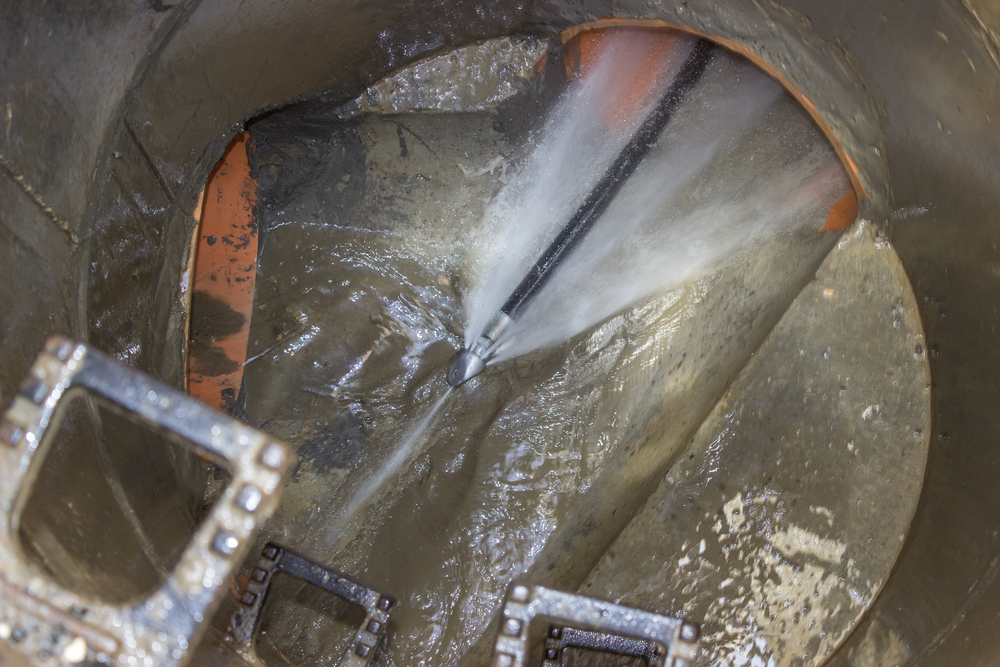
    Hydro jetting uses high-pressure water to clean the inside of pipes. This process removes debris from the pipe walls rather than simply pushing it through. That difference matters when pipe lining is planned, since the liner needs direct contact with the original pipe surface.

    In many plumbing repair cases, jetting is used to restore internal diameter and remove hardened material that traditional snaking methods may leave behind. The goal is to create a consistent interior surface that supports the next stage of repair work.

    Where Drain Cleaning Fits Into the Process

    Before lining begins, drain cleaning helps confirm that the system is free of obstructions that could affect installation. This step often follows an inspection and may be repeated if heavy buildup is present.

    A clean pipe allows technicians to evaluate structural conditions more clearly. It also helps reduce complications during lining, since leftover debris can prevent proper placement or curing of the liner material.

    Why Inspection Comes Before and After Jetting

    A sewer camera inspection is often used both before and after hydro jetting. The first inspection identifies blockages, cracks, and intrusion points. After cleaning, a second inspection confirms that the pipe is ready for lining.

    This process helps ensure that the pipe’s internal condition is understood at each stage. It also helps identify whether emergency issues are present that need immediate attention before continuing with repair work.

    When Pipe Lining Becomes the Next Step

    Once the pipe is clean and inspected, lining materials can be installed. Trenchless methods such as trenchless pipe lining rely on a smooth interior surface so the liner can cure properly and form a new structural layer inside the existing pipe.

    In some cases, if the pipe damage is too extensive, technicians may recommend trenchless sewer replacement instead of lining. The decision depends on structural integrity and the results of the inspection process.

    FAQs

    Is hydro jetting safe for older pipes?

    It depends on the condition of the pipe. A camera inspection is usually performed first to assess whether the pipe can handle high-pressure cleaning.

    How long does hydro jetting take?

    Most residential drain cleaning jobs can be completed within a few hours, depending on buildup and pipe length.

    Does pipe lining always require hydro jetting?

    In many cases, yes. A clean interior surface improves liner adhesion and helps reduce installation issues.

    Can hydro jetting remove tree roots?

    Yes, high-pressure water can cut through many types of root intrusion, although severe cases may require additional repair steps.

    When sewer and drain systems begin showing signs of buildup or damage, preparation becomes a key part of the solution. At Price Busters Plumbing & Sewer, we approach each project with careful inspection, thorough cleaning, and reliable repair planning. Our emergency plumbing team provides value-adding services with long-term savings potential, reasonable prices, products from trusted manufacturers, on-time arrivals, and 24/7 emergency service. Whether it is routine plumbing or urgent repair needs, we bring steady experience to every job.

    When a pipe needs internal repair, what happens before the lining goes in matters just as much as the repair itself. A clean interior surface allows new materials to bond correctly and form a stable structure inside the existing line. That is why preparation steps like hydro jetting are often used in professional plumbing work. When homeowners call a plumber in Edmonds, WA, this process is often part of the discussion before any pipe lining begins.

    Why Surface Preparation Changes Repair Results

    Inside a sewer or drain line, buildup is common. Grease, scale, mineral deposits, and tree roots can all restrict flow and coat pipe walls. If that material is left in place, it can interfere with how well a lining adheres.

    In the plumbing industry, preparation is treated as a standard step in many rehabilitation projects. According to the U.S. Environmental Protection Agency, maintaining wastewater infrastructure requires both repair and maintenance practices that support long-term pipe performance, especially in aging systems where buildup is common.

    How Hydro Jetting Clears the Line

    Hydro jetting uses high-pressure water to clean the inside of pipes. This process removes debris from the pipe walls rather than simply pushing it through. That difference matters when pipe lining is planned, since the liner needs direct contact with the original pipe surface.

    In many plumbing repair cases, jetting is used to restore internal diameter and remove hardened material that traditional snaking methods may leave behind. The goal is to create a consistent interior surface that supports the next stage of repair work.

    Where Drain Cleaning Fits Into the Process

    Before lining begins, drain cleaning helps confirm that the system is free of obstructions that could affect installation. This step often follows an inspection and may be repeated if heavy buildup is present.

    A clean pipe allows technicians to evaluate structural conditions more clearly. It also helps reduce complications during lining, since leftover debris can prevent proper placement or curing of the liner material.

    Why Inspection Comes Before and After Jetting

    A sewer camera inspection is often used both before and after hydro jetting. The first inspection identifies blockages, cracks, and intrusion points. After cleaning, a second inspection confirms that the pipe is ready for lining.

    This process helps ensure that the pipe’s internal condition is understood at each stage. It also helps identify whether emergency issues are present that need immediate attention before continuing with repair work.

    When Pipe Lining Becomes the Next Step

    Once the pipe is clean and inspected, lining materials can be installed. Trenchless methods such as trenchless pipe lining rely on a smooth interior surface so the liner can cure properly and form a new structural layer inside the existing pipe.

    In some cases, if the pipe damage is too extensive, technicians may recommend trenchless sewer replacement instead of lining. The decision depends on structural integrity and the results of the inspection process.

    FAQs

    How do I know if my sewer line qualifies for trenchless repair?

    The best way to determine eligibility is through a professional inspection that evaluates the pipe’s condition and structure.

    Is trenchless sewer work durable?

    Modern trenchless materials are designed for long-term underground performance and are widely used throughout the industry.

    Does trenchless repair work for root intrusion?

    In many cases, yes. The specific solution depends on the severity of the root damage and pipe condition.

    How long does the evaluation process take?

    Most inspections can be completed relatively quickly, allowing homeowners to understand their options without extensive disruption.

    When sewer and drain systems begin showing signs of buildup or damage, preparation becomes a key part of the solution. At Price Busters Plumbing & Sewer, we approach each project with careful inspection, thorough cleaning, and reliable repair planning. Our emergency plumbing team provides value-adding services with long-term savings potential, reasonable prices, products from trusted manufacturers, on-time arrivals, and 24/7 emergency service. Whether it is routine plumbing or urgent repair needs, we bring steady experience to every job.

    Need a Plumber in the Seattle Area?

    Price Busters Plumbing & Sewer is ready to help. Call us or request service online and we’ll be in touch right away.
  • Misconceptions About Trenchless Sewer Repair That Homeowners Still Believe

    Misconceptions About Trenchless Sewer Repair That Homeowners Still Believe

    Many homeowners hear the term trenchless sewer repair and assume it sounds too good to be true. We understand why. For decades, sewer work was associated with large excavations, damaged landscaping, and lengthy disruptions. As trenchless technology has become more common, some old myths have remained. The reality is that modern methods have changed how many sewer problems are addressed. If you are researching trenchless sewer repair in Lynwood, WA, understanding the facts can help you make better decisions about your property.

    The Belief That Every Yard Must Be Dug Up

    One of the most common misconceptions is that sewer repairs always require extensive excavation. Traditional sewer repairs often involved digging long trenches to access damaged pipes. Modern trenchless methods can frequently access and repair sewer lines through small entry points instead. Many homeowners are surprised to learn that trenchless pipe repair often allows existing landscaping, driveways, and walkways to remain largely undisturbed. The exact approach depends on the condition of the pipe and site accessibility, but extensive digging is not automatically part of the process.

    The Assumption That Newer Methods Are Untested

    Some property owners believe trenchless technology is relatively new and lacks a proven track record. In reality, trenchless techniques have been used for decades and continue to evolve through engineering advancements and material improvements. Organizations such as the North American Society for Trenchless Technology have documented widespread adoption of trenchless methods throughout municipal and residential infrastructure projects. These systems have been evaluated and refined over many years of real-world use.

    The Idea That Replacement Is Always the Only Option

    Another misconception is that a damaged sewer line automatically requires a complete excavation and replacement. In many situations, trenchless pipe lining can restore a deteriorated pipe by creating a new pipe surface within the existing structure. This process can address cracks, corrosion, and root intrusion in certain situations. The suitability of any repair method depends on the condition of the existing pipe, which is why a proper evaluation is important before selecting a solution.

    The Myth That Inspection Is Guesswork

    Some homeowners assume sewer professionals determine repair methods based solely on symptoms such as slow drains or recurring backups. Modern diagnostics provide a much clearer picture. A sewer camera inspection allows technicians to view the inside of the pipe and identify cracks, root intrusion, offsets, blockages, and structural defects. According to the Environmental Protection Agency, video inspection technology has become an important tool for evaluating underground wastewater infrastructure because it provides accurate condition assessments without unnecessary excavation.

    The Belief That Trenchless Methods Are Only for Small Problems

    We occasionally hear homeowners say that trenchless solutions only work for minor pipe issues. In reality, trenchless sewer replacement can address many significant sewer line problems when conditions are appropriate. The extent of damage, pipe material, alignment, and overall structural integrity all factor into determining the best repair approach. Likewise, pipe replacement can often be used when a line has reached the end of its service life and restoration is no longer practical.

    FAQs

    How do I know if my sewer line qualifies for trenchless repair?

    The best way to determine eligibility is through a professional inspection that evaluates the pipe’s condition and structure.

    Is trenchless sewer work durable?

    Modern trenchless materials are designed for long-term underground performance and are widely used throughout the industry.

    Does trenchless repair work for root intrusion?

    In many cases, yes. The specific solution depends on the severity of the root damage and pipe condition.

    How long does the evaluation process take?

    Most inspections can be completed relatively quickly, allowing homeowners to understand their options without extensive disruption.

    When sewer concerns arise, accurate information matters. At Price Busters Plumbing & Sewer, we help homeowners separate fact from fiction and understand the solutions available for their specific situation. Our team delivers value-adding services with long-term savings potential, reasonable prices, products from trusted manufacturers, on-time arrivals, and 24/7 emergency service. Whether you are exploring repair options or seeking trenchless pipe replacement, we are ready to provide practical guidance every step of the way. Contact us today to schedule a service consultation!

    Need a Plumber in the Seattle Area?

    Price Busters Plumbing & Sewer is ready to help. Call us or request service online and we’ll be in touch right away.
  • Breaking Down the Lifespan of Modern Sewer Replacement Materials

    Breaking Down the Lifespan of Modern Sewer Replacement Materials

    When a sewer line begins showing signs of trouble, one of the first questions property owners ask is how long a replacement will last. It is a fair question. A sewer line is buried out of sight, and most people want to know they are making a decision that will serve their property well for decades. We often explain that the lifespan of a sewer system depends on the material used, installation quality, soil conditions, and ongoing maintenance. Understanding these factors can help you make informed choices when considering sewer repair in Shoreline, WA.

    What Determines How Long a Sewer Line Lasts?

    Modern sewer materials are designed to withstand years of underground use, but no pipe lasts forever. The material itself plays a large role in durability. Environmental conditions also matter. Soil movement, tree root intrusion, groundwater levels, and installation methods can all affect how long a sewer line performs effectively.

    According to the U.S. Environmental Protection Agency, aging wastewater infrastructure is a common challenge across the country, making material selection and proper installation important considerations for long-term performance. Modern products have improved significantly compared to older systems made from clay, cast iron, or Orangeburg pipe.

    Understanding Today’s Most Common Materials

    Many modern sewer systems use PVC because it resists corrosion and root intrusion better than many older materials. Under typical conditions, PVC sewer piping is often expected to last 50 years or longer. High-density polyethylene and other engineered materials may also provide long service lives when installed correctly.

    When homeowners explore sewer replacement options, we discuss how each material performs in local soil conditions. Factors such as ground movement and moisture levels can influence the overall lifespan of the system.

    Signs That Material Age Is Becoming a Factor

    Even durable sewer lines eventually show signs of wear. Slow drains, recurring clogs, foul odors, and wet areas in the yard can indicate that a pipe has reached the later stages of its service life. In some cases, homeowners experience a sewer backup that points to structural deterioration underground.

    The Washington State Department of Health notes that wastewater system problems can create sanitation concerns when left unresolved. Identifying issues early allows property owners to address problems before extensive damage develops.

    Repair Versus Full Replacement Considerations

    Not every aging sewer line requires a complete replacement. Some situations can be addressed through targeted repairs when damage is isolated to a specific section. Cracks, root intrusion, and localized defects may be suitable for repair methods that extend the usable life of the system.

    However, when multiple sections of pipe are deteriorating, property owners may decide it makes more sense to replace sewer line components rather than continue addressing recurring issues one section at a time.

    The Importance of Ongoing Maintenance

    Routine inspections help identify developing problems before they affect the entire system. Professional sewer repair services often include camera inspections that provide a clear look at pipe conditions without excavation. These inspections can reveal root growth, cracks, offset joints, and other issues that may affect long-term performance.

    Regular maintenance allows homeowners to better understand the condition of their sewer system and make decisions based on actual pipe health rather than guesswork.

    FAQs

    How long does a modern PVC sewer line typically last?

    Many PVC sewer lines are commonly expected to last 50 years or more when properly installed and maintained.

    What is the most common reason sewer lines fail?

    Tree root intrusion, soil movement, corrosion in older materials, and long-term wear are among the most common causes.

    Can a damaged sewer line always be repaired?

    Not always. The extent of the damage, pipe condition, and age of the system help determine whether sewer pipe line repair or replacement is the better option.

    How can I tell if my sewer line needs attention?

    Frequent drain backups, sewage odors, slow drainage, and wet spots in the yard are common warning signs.

    When sewer concerns arise, having reliable information makes a difference. At Price Busters Plumbing & Sewer, we help property owners understand their options with clear recommendations and practical solutions. Our team provides value-adding services with long-term savings potential, reasonable prices, products from trusted manufacturers, on-time arrivals, and 24/7 emergency service. Whether you are evaluating the condition of an older line or planning an upgrade, we are ready to help you make an informed decision!

    Need a Plumber in the Seattle Area?

    Price Busters Plumbing & Sewer is ready to help. Call us or request service online and we’ll be in touch right away.
  • How Your Yard’s “Grade” Impacts Your Sump Pump’s Workload

    How Your Yard’s “Grade” Impacts Your Sump Pump’s Workload

    Water pooling near a foundation is one of those problems that often gets noticed too late. By the time a sump pump starts running more than expected, the ground around the home may already be sending more water toward the structure than it should. Price Busters Plumbing & Sewer works with homeowners who run into this situation often, especially when the yard grading is not doing its job and systems like sump pump repair in Seattle, WA, are being called on more frequently than they should be.

    How Water Moves Across Your Yard

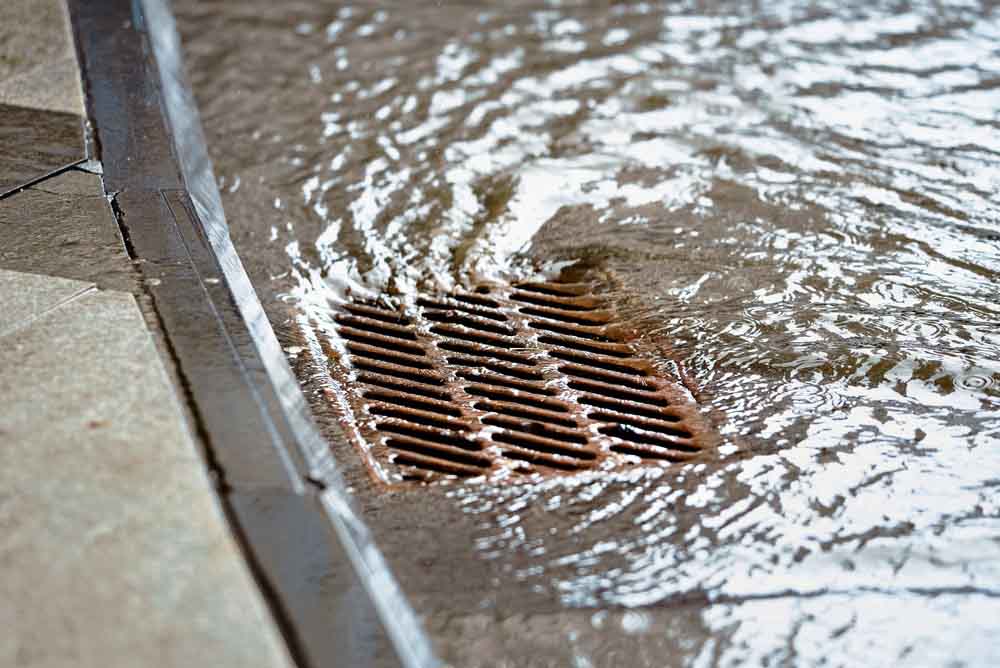
    Most yard drainage problems start at the surface. When soil slopes toward a home instead of away from it, rainwater follows gravity straight to the foundation. The U.S. Environmental Protection Agency has noted that runoff from roofs and paved areas is a leading contributor to urban flooding because water cannot soak into compacted ground fast enough. Downspouts also play a big role. If they release water too close to the house, the soil becomes saturated right along the foundation line. That steady moisture load forces the sump pump to activate more often than needed. Extending downspouts away from the home helps spread water out before it can collect near the basement walls.

    The Role of Soil Slope in Basement Protection

    A proper yard grade helps direct rainfall away from the structure at a consistent angle. Even a slight reverse slope can keep the soil around the foundation damp for long periods. That moisture often finds its way into the drainage system and increases pump activity. During sump pump installation, we often see that homes with corrected grading experience fewer long pump cycles after storms. Adjusting soil height around the foundation helps reduce standing water and allows the drainage system to work under less strain.

    When Drainage Systems Work Harder Than They Should

    If grading issues continue, the sump system has to compensate. That can shorten equipment lifespan and lead to frequent service calls. In many cases, homeowners schedule sump pump service after noticing the pump running during light rain or even dry periods when groundwater remains high. We often find that improving yard slope and checking discharge points can reduce unnecessary cycling. When systems are worn or undersized, a replacement may be recommended so the home can handle seasonal rainfall patterns more effectively.

    Downspouts and Foundation Distance

    Downspout placement is one of the simplest ways to reduce water pressure around a home. The Federal Emergency Management Agency has long recommended directing roof runoff at least several feet away from foundations to reduce basement seepage risks. When downspouts release water too close, the ground never has a chance to dry out fully, which keeps the sump system working longer than it should.

    FAQs

    How do I know if my yard grading is causing sump pump issues?

    If water collects near the foundation after rain or the pump runs during light storms, grading may be directing water toward the home.

    Can downspout extensions really make a difference?

    Yes, extending downspouts helps move roof runoff away from the foundation so soil near the home stays drier between storms.

    Does every home need a sump pump?

    Not every home does, but properties with high groundwater levels or poor drainage often rely on one to manage water near the foundation.

    How often should a sump pump be checked?

    Sump pump replacement experts attest that it is a good practice to have it inspected at least once a year, especially before the rainy season.

    Reliable Help When Water Patterns Change

    At Price Busters Plumbing & Sewer, we focus on practical fixes that keep drainage systems working under real conditions, not ideal ones. Homeowners trust us for value-adding services with long-term savings potential, reasonable prices, products from trusted manufacturers, on-time arrivals, and 24/7 emergency service. When yard drainage and foundation water issues start affecting your home, our team is ready to step in with steady, experienced support.

    Need a Plumber in the Seattle Area?

    Price Busters Plumbing & Sewer is ready to help. Call us or request service online and we’ll be in touch right away.

  • Heavy Rain Infiltration: Why Your Sewer Line Shouldn’t Double as a Storm Drain

    Heavy Rain Infiltration: Why Your Sewer Line Shouldn’t Double as a Storm Drain

    A sewer line is designed to carry wastewater away from your home, not absorb every gallon of rainwater that lands on the property. Yet in many older homes, roof gutters, foundation drains, and sump pumps were once connected directly to the sanitary sewer system. During heavy storms, these outdated connections can overwhelm the line and lead to slow drains, foul odors, and indoor flooding.

    Price Busters Plumbing & Sewer often provides sewer repair in Everett, WA, after homeowners discover that rainwater has been placing hidden stress on their underground plumbing for years.

    How Rainwater Overloads a Sanitary Sewer System

    Sanitary sewers are sized to handle wastewater from sinks, showers, toilets, and appliances. When stormwater is added to the same pipe, the total volume can rise dramatically. According to the United States Environmental Protection Agency, inflow and infiltration are major contributors to sewer overloading and basement flooding in older communities. This extra water can push the system beyond its intended capacity, especially during prolonged rainfall.

    Hidden Connections That Cause Big Problems

    Many older properties still contain legacy plumbing configurations that send rainwater into the sewer line. Common examples include:

    • Roof downspouts tied into underground drains
    • Foundation French drains connected to the building sewer
    • Basement sump pumps discharging into the sanitary line
    • Area drains around patios or stairwells routed underground

    When these systems remain in place, the increased volume can shorten pipe life and raise the likelihood of sewer backup during storms.

    Warning Signs of Excess Stormwater Entering the Sewer

    Properties affected by rain-related sewer overload often show symptoms such as:

    • Gurgling drains during heavy rainfall
    • Water rising in basement floor drains
    • Frequent toilet bubbling
    • Sewage odors near cleanouts
    • Backups that coincide with storms

    When these symptoms appear, targeted sewer pipe line repair may be needed to correct damaged sections and remove improper connections.

    Finding the Right Long-Term Solution

    We often begin with a detailed inspection to determine how stormwater is entering the system and whether structural damage is present. Depending on the condition of the pipe, our sewer repair services may involve removing illegal connections, sealing defects, or rehabilitating the line. In more advanced cases, it may be necessary to replace sewer line sections that have deteriorated under repeated hydraulic stress.

    When Replacement Makes More Sense

    Some sewer systems have multiple weak points or severe root intrusion that make repairs less practical. In these cases, sewer replacement offers a more reliable long-term solution by restoring the full capacity of the line and eliminating vulnerable materials.

    FAQs

    Why were storm drains connected to sewer lines in older homes?

    Past building practices sometimes allowed these connections before regulations became stricter.

    Can rainwater really cause sewage backups?

    Yes. Excess stormwater can overwhelm the sanitary line and force wastewater back toward the home.

    How do we know if our home has an improper connection?

    A professional inspection can identify where roof, drain, or sump discharge enters the sewer.

    Is removing the connection enough to solve the problem?

    It often helps significantly, though damaged piping may also need repair.

    When heavy rain turns a sewer line into an unintended storm drain, the effects can show up quickly inside the home. At Price Busters Plumbing & Sewer, we identify improper connections, diagnose hidden damage, and provide dependable solutions that restore the sewer system to the role it was designed to serve. Reach out to us today to schedule an appointment!

    Need a Plumber in the Seattle Area?

    Price Busters Plumbing & Sewer is ready to help. Call us or request service online and we’ll be in touch right away.
  • Landscaping That Protects (Instead of Destroys) Your Water Line

    Landscaping That Protects (Instead of Destroys) Your Water Line

    A well-designed yard should enhance a home, not put its buried systems at risk. Yet many water line issues start above ground with landscaping choices that slowly stress underground pipes. Tree roots, heavy irrigation zones, and deep-rooted shrubs can all contribute to hidden damage over time.

    The Price Busters Plumbing & Sewer team frequently gets called for main water line repair in Kirkland, WA, when persistent leaks or declining water pressure point to damage beneath the yard.

    How Landscaping Impacts Your Water Line

    Water lines run silently beneath lawns, gardens, and driveways. The problem begins when landscaping elements grow directly into their path. Roots naturally seek moisture, and even a small leak can attract aggressive growth that worsens the damage. In many cases, the issue does not appear overnight. It develops gradually until pressure drops or visible soil changes signal a deeper problem that may require professional attention.

    Plants and Features That Can Put Pipes at Risk

    Certain landscaping choices are more likely to interfere with underground utility lines:

    • Large trees planted too close to water line routes
    • Shrubs with aggressive root systems
    • Deep edging or hardscape installations that shift soil pressure
    • Irrigation systems that saturate soil near buried pipes
    • Retaining walls placed without utility awareness

    Signs of Developing Water Line Issues

    Early detection often helps reduce disruption and guide the right repair approach. Common indicators include:

    • Sudden drops in water pressure throughout the home
    • Unexpected wet spots or soggy patches in the yard
    • Unexplained increases in water usage
    • Soil settling or soft ground above buried lines

    When these signs appear, targeted water main repair can help isolate and address the affected section before the condition spreads further.

    Diagnosing the Problem Underground

    Repairs for water main leaks typically begin with locating the exact source of the issue. This may involve pressure testing, acoustic detection, or visual ground inspection. Once identified, the repair method depends on the pipe’s condition and location. In some cases, localized water line repair is enough to restore function. In others, a more complete water line replacement is recommended when multiple weak points are present.

    Smart Landscaping Choices That Help Prevent Damage

    Careful planning reduces stress on underground utilities. Homeowners can reduce risk by:

    • Planting trees well away from known utility paths
    • Choosing shallow-rooted plants near pipe zones
    • Keeping irrigation levels balanced to avoid oversaturation
    • Using mulch beds instead of deep-rooted ground cover near lines
    • Consulting utility maps before major landscaping work

    These steps help preserve the stability of buried systems while maintaining a healthy landscape.

    When Installation or Replacement Becomes Part of the Plan

    In newer builds or major yard redesigns, water line installation should always account for plant placement and soil movement. In older properties, shifting conditions may eventually require updated materials and routing to maintain reliability.

    FAQs

    Can tree roots really break a water line?

    Yes. Roots can enter small cracks and expand over time, complicating water main leak repair procedures and restricting flow.

    How do I know if my yard leak is a water line issue?

    Consistent wet spots, pressure loss, or rising water bills are common warning signs.

    Is every leak a full replacement issue?

    No. Many situations can be addressed with targeted repairs if caught early.

    Does landscaping always need to change after repair?

    Not always, but adjustments may be recommended to reduce future risk.

    When underground systems are affected by surface-level choices, the solution often starts with awareness and careful evaluation. At Price Busters Plumbing & Sewer, we provide thoughtful diagnostics and dependable solutions for homeowners in need of water line replacement or repairs. Drop us a line today to schedule an appointment!

    Need a Plumber in the Seattle Area?

    Price Busters Plumbing & Sewer is ready to help. Call us or request service online and we’ll be in touch right away.
  • The Kettle Effect: Why Your Water Heater is Popping and Rumbling

    The Kettle Effect: Why Your Water Heater is Popping and Rumbling

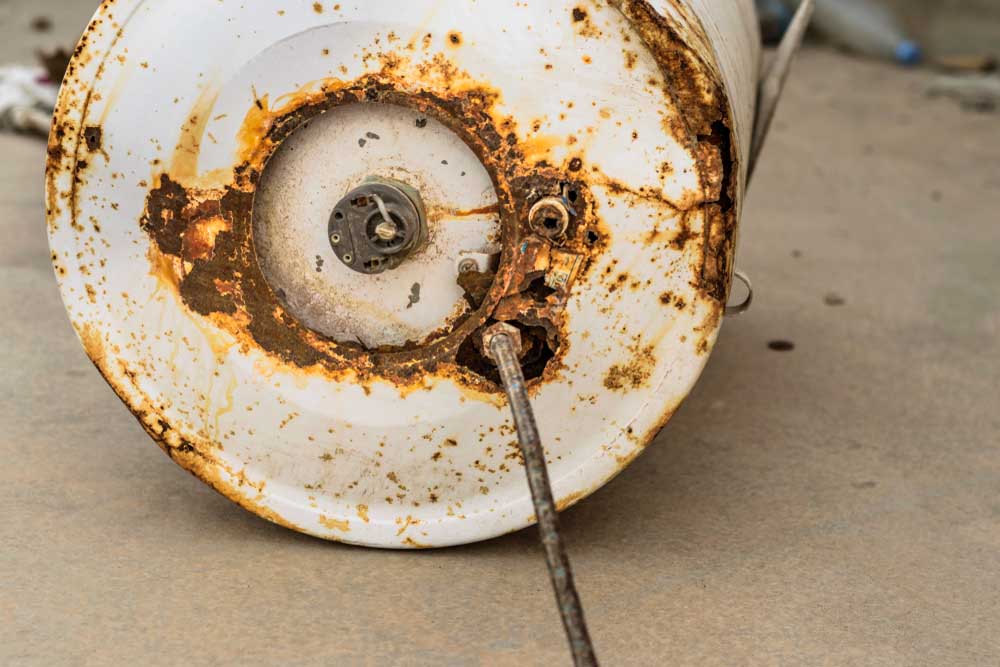
    That popping, rumbling sound coming from a water heater can be unsettling. It often catches homeowners off guard because the system still produces hot water, even while making noises that sound like something is boiling too hard inside the tank. In many cases, this is exactly what is happening on a small scale. When mineral deposits settle and harden at the bottom of the tank, they trap steam bubbles underneath, creating the “kettle effect” that sounds far worse than it is at first glance.

    At Price Busters Plumbing & Sewer, we frequently address these concerns through water heater repair in Bellevue, WA, when sediment buildup begins to interfere with normal operation.

    What’s Actually Happening Inside the Tank

    Most municipal water supplies contain dissolved minerals like calcium and magnesium. Over time, these minerals separate from the water and settle at the bottom of the tank. The U.S. Geological Survey notes that groundwater in many regions naturally contains varying levels of hardness minerals, which contribute to scale formation in water systems. Once this layer hardens, it acts like an insulating crust. Heat from the burner must pass through this layer before reaching the water, and trapped moisture beneath it begins to boil unevenly, producing popping and rumbling sounds.

    Why the Noise Gets Worse Over Time

    As sediment builds up, the heating process becomes less uniform. Instead of clean, even heating, pockets of steam form under the mineral layer. When they escape, they create the familiar kettle-like noise.

    Several conditions tend to make this more noticeable:

    • Higher mineral content in local water supply
    • Infrequent flushing of the tank
    • Older tanks with accumulated sediment layers
    • Higher temperature settings that intensify boiling beneath deposits

    How Sediment Affects System Performance

    The buildup does more than create noise. It forces the system to work harder to heat water, since energy is partially absorbed by the sediment layer. This can affect recovery time and overall consistency of hot water delivery. In routine water heater services, flushing the tank is often the first step in reducing sediment-related issues before more advanced corrective work is considered.

    When Different Systems Come Into Play

    Some homeowners consider switching to a tankless water heater to avoid sediment accumulation inside a storage tank. These systems heat water on demand rather than storing it, which changes how mineral buildup affects operation. In other cases, older tanks reach a point where water heater replacement is the more practical option due to corrosion or repeated sediment issues.

    Installation and System Design Matter

    Proper water heater installation plays a role in long-term performance. Correct sizing, safe venting, and proper connection to existing plumbing all influence how efficiently the system operates and how often maintenance is needed.

    FAQs

    Why is my water heater making popping sounds?

    It is usually caused by steam bubbles forming under a layer of sediment at the bottom of the tank.

    Can flushing the tank fix the noise?

    Yes, in many cases a flush removes loose sediment and reduces or eliminates the sound.

    Is a rumbling water heater dangerous?

    It is typically not dangerous, but it indicates buildup that should be addressed to avoid reduced efficiency.

    Do tankless systems eliminate this issue completely?

    They reduce sediment-related noise inside a tank but still require maintenance for mineral buildup in heat exchangers.

    When water heaters begin to sound like a boiling kettle, it is often a sign that internal conditions have changed over time. At Price Busters Plumbing & Sewer, we provide water heater services that address sediment issues, restore performance, and help homeowners understand when repair or replacement is the most practical path forward. Get in touch with us to schedule an appointment!

    Need a Plumber in the Seattle Area?

    Price Busters Plumbing & Sewer is ready to help. Call us or request service online and we’ll be in touch right away.
  • The Hydrodynamics of the Low-Flow Toilet: Why New Models Keep Clogging

    The Hydrodynamics of the Low-Flow Toilet: Why New Models Keep Clogging

    A toilet that clogs repeatedly after an upgrade feels frustrating, especially when the goal was fewer bills and better efficiency. We see this situation often in homes where older high-volume toilets are replaced with newer low-flow models, only to create a different set of problems. At Price Busters Plumbing & Sewer, we help homeowners in need of an expert plumber in Lynnwood, WA, by letting them know exactly what is happening inside the pipes. Many times, it comes down to how water moves through the system rather than the toilet itself, which is more common than most people realize.

    How Low-Flow Toilets Changed Water Movement

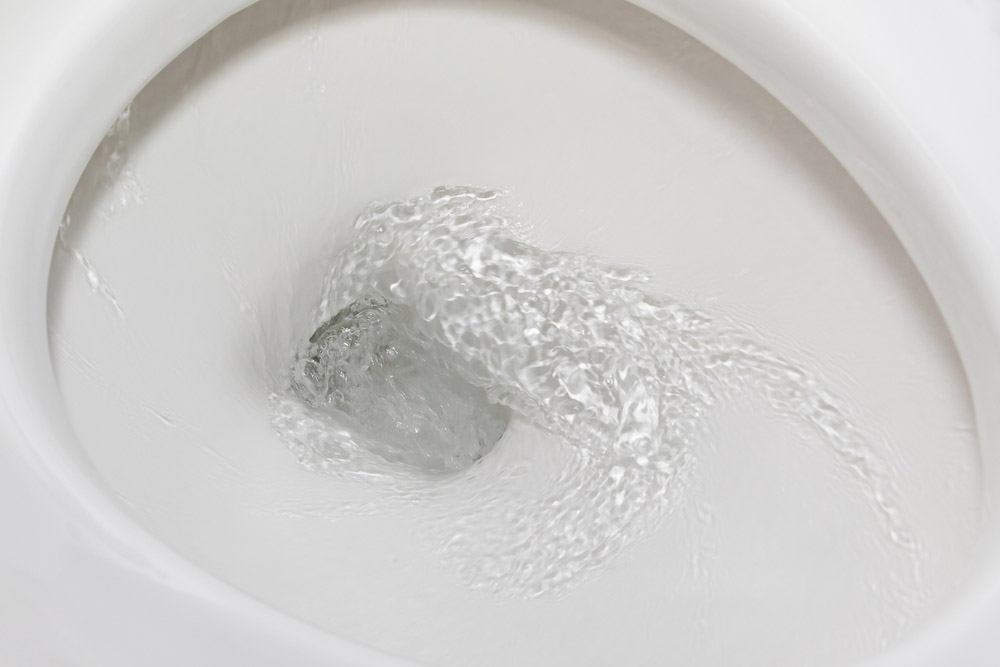
    Modern toilets are designed to use less water, with most WaterSense labeled models using 1.28 gallons per flush compared to older 3.5-gallon units. The U.S. Environmental Protection Agency notes that these toilets significantly reduce household water use, but the tradeoff is less force behind each flush. That reduced force changes the hydrodynamics inside the bowl and drain line. Waste relies more on precision flow instead of volume, which means pipe condition and slope become much more important.

    When Reduced Flush Meets Aging Drain Lines

    A low-flow toilet depends on enough force to move waste through the system quickly. In older homes, that movement can slow down when pipes already have years of buildup or reduced internal diameter from scale and residue. Plumbing repair experts warn that small restrictions inside drain lines do not always show obvious signs at first. Water may still drain, but the reduced passage space changes how waste travels through the system, making clogs more likely after each flush.

    Several underlying conditions often play a role:

    • Pipe walls gradually collect mineral scale, grease, and debris over time
    • Older drain materials may develop rough interior surfaces that slow flow
    • Partial restrictions reduce carrying capacity even when no full blockage is present
    • Venting limitations can affect how efficiently water and air move together through the system

    In many cases, the toilet gets blamed first, but the real issue sits deeper in the plumbing system where reduced flow efficiency affects every flush cycle.

    Common Causes Behind Repeated Clogging

    Several system conditions can affect how low-flow toilets perform:

    • A narrow or partially blocked drain path reduces how quickly waste exits the bowl.
    • A weakened flush mechanism inside the tank can reduce initial water velocity, which affects clearance.
    • Vent issues in the drainage system can disrupt pressure balance and slow flow movement.
    • Mineral buildup or partial obstruction in older piping can restrict passage without fully blocking it.

    When Professional Service Becomes Important

    When clogs become frequent, the issue often extends beyond the toilet itself. That is why we look at both the fixture and the drainage system to identify where resistance is forming. In some homes, drain cleaning is enough to restore proper flow. For others, deeper buildup requires more advanced methods such as hydro jetting, which uses high-pressure water to remove hardened deposits from pipe walls.

    Fixture and Installation Factors

    Not all low-flow toilets perform the same way. Design differences in bowl shape, trapway size, and flush technology play a role in performance. Proper toilet installation is also critical because even a slight slope issue can affect drainage efficiency. When problems persist, toilet repair may involve replacing internal components or adjusting tank settings to improve flush strength.

    System-Wide Solutions for Recurring Issues

    In more persistent cases, the entire drainage system may need evaluation. That can include checking venting, assessing pipe condition, and identifying hidden buildup. In urgent situations where backups occur suddenly, emergency plumbing support helps prevent water damage and restore function quickly.

    FAQs

    Why does my new toilet clog more than my old one?

    Lower water volume can expose existing drain issues that older toilets were masking.

    toilet repair

    Can drain cleaning fix frequent toilet clogs?

    Yes, if buildup inside the line is restricting flow, cleaning often restores performance.

    Is hydro jetting safe for residential pipes?

    When performed correctly, hydro jetting is effective for clearing heavy buildup without damaging most modern piping.

    Do I need a new toilet if clogs keep happening?

    Not always. Many issues come from drain or vent problems rather than the fixture itself.

    When low-flow toilets do not perform as expected, we take a full-system approach to identify the real cause. At Price Busters Plumbing & Sewer, we provide value-adding services with long-term savings potential, reasonable prices, products from trusted manufacturers, on-time arrivals, and 24/7 emergency service so homeowners can rely on steady performance throughout their plumbing system. Schedule a service appointment by calling us today!

    Need a Plumber in the Seattle Area?

    Price Busters Plumbing & Sewer is ready to help. Call us or request service online and we’ll be in touch right away.
  • How Modern Materials in Trenchless Sewer Replacement Improve Lifespan

    How Modern Materials in Trenchless Sewer Replacement Improve Lifespan

    Most homeowners only think about their sewer line when something goes wrong. What many people do not realize is that the materials used to repair that line play a huge role in how long the solution lasts. Today’s trenchless technology uses advanced materials designed to resist corrosion, root intrusion, and ground movement for decades. If you are considering trenchless sewer repair in Seattle, WA, be mindful that knowing what goes underground can help you feel more confident about the investment.

    At Price Busters Plumbing & Sewer, we have seen how these modern materials perform in Seattle’s wet climate and shifting soils. They create strong, reliable sewer systems while sparing your lawn, driveway, and landscaping from unnecessary excavation.

    Built to Resist the Most Common Sewer Problems

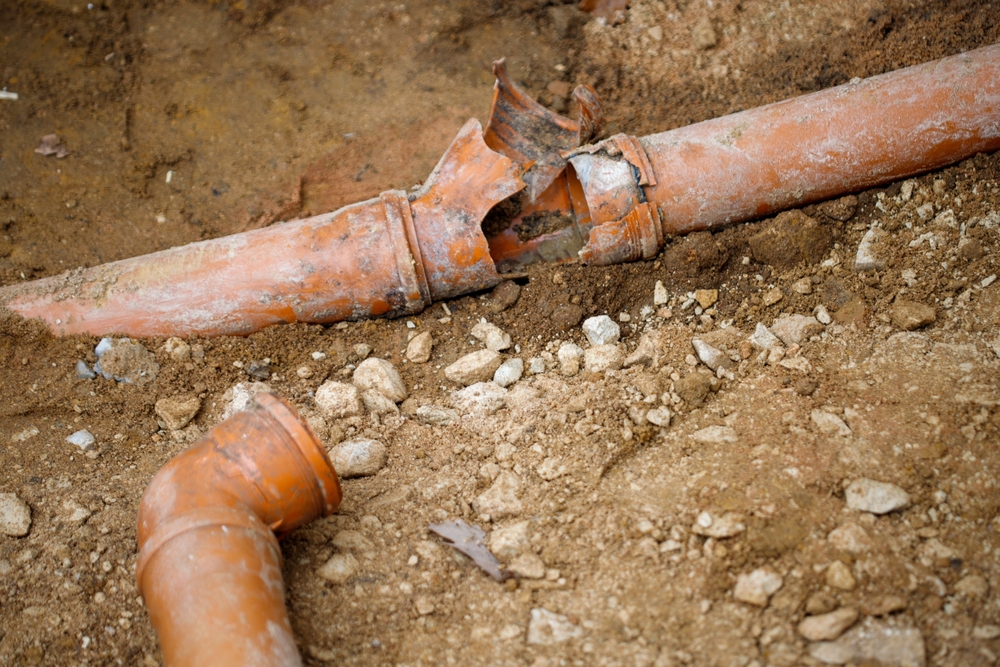
    Older sewer lines made from clay, cast iron, and Orangeburg often fail because they crack, rust, or allow tree roots to sneak in through joints. New trenchless materials are engineered to solve these problems from the inside out. During trenchless pipe repair, we often use cured-in-place pipe (CIPP) liners and high-density polyethylene (HDPE) piping. According to the National Association of Sewer Service Companies, both materials are highly resistant to corrosion and root intrusion, and they are widely used in long-lasting underground infrastructure systems.

    Why These Materials Last So Long

    Modern trenchless products are designed for durability under real-world conditions. Their performance comes from several key characteristics:

    • Seamless construction: Fewer joints mean fewer places for roots and leaks
    • Chemical resistance: Epoxy resins and HDPE hold up well against household wastewater
    • Flexibility: The pipe can tolerate small shifts in the surrounding soil
    • Smooth interiors: Waste moves more efficiently, reducing buildup over time
    • Structural strength: The finished pipe can restore or exceed the original pipe’s integrity

    These benefits make trenchless sewer replacement a practical long-term solution for many Seattle properties.

    Seeing the Problem Before the Work Begins

    We never guess about what is happening underground. A sewer camera inspection gives us a clear view of cracks, corrosion, offsets, and root intrusion. This information helps us determine whether trenchless procedures can rehabilitate the existing pipe or whether trenchless pipe replacement is the better option. By starting with accurate data, we can recommend the most effective repair method for your property.

    Matching the Method to the Material

    Each trenchless pipe lining approach relies on materials chosen for specific conditions. CIPP liners are ideal when the original pipe still has enough structure to support a new interior wall. HDPE is commonly used in pipe bursting because it creates a continuous, joint-free sewer line. Both methods are designed to provide long service life while minimizing disruption to the property.

    A Stronger Sewer Line Without Tearing Up Your Yard

    The true value of trenchless technology lies in what you do not have to deal with. There is less digging, less mess, and a sewer line built from materials engineered to perform for decades. At Price Busters Plumbing & Sewer, we combine proven trenchless methods with high-quality materials to deliver repairs that offer lasting value. You can depend on us for everything from the initial sewer camera inspection right down to the repair or replacement procedure itself.

    If your sewer line is showing signs of trouble, our team can inspect the system, explain your options, and help you choose a durable solution that fits your property!

    Need a Plumber in the Seattle Area?

    Price Busters Plumbing & Sewer is ready to help. Call us or request service online and we’ll be in touch right away.

  • The Silent Guardian: Upgrading Your Sump Pump for Near-Silent Operation

    The Silent Guardian: Upgrading Your Sump Pump for Near-Silent Operation

    That loud clunk from the basement can be startling, especially in the middle of the night. We hear this complaint often from homeowners in Shoreline. The good news is that the noise usually does not mean your pump is failing. In many cases, the sound comes from a check valve snapping shut or vibration traveling through rigid pipes. With a few smart upgrades, your system can run much more quietly.

    When homeowners call Price Busters Plumbing & Sewer for sump pump repair in Shoreline, WA, we often solve the problem without replacing the entire system.

    What Causes the Clunking Sound?

    The check valve is designed to stop water from falling back into the pit after each cycle. Standard plastic valves can close with a sharp bang. This noise gets amplified when the discharge pipe is tightly fastened to wall framing. A quiet check valve uses a spring-loaded design that closes more gently. During sump pump service visits, we inspect this part first because it is one of the most common sources of noise.

    Small Parts, Big Difference

    Rubber vibration isolators are another simple upgrade. These flexible connectors absorb movement from the pump and prevent the discharge line from rattling against wood or concrete. When paired with a well-installed system, these components make a noticeable difference. This is especially helpful in homes with a finished sump pump basement setup, where sounds travel easily into living spaces.

    When a New Pump Makes Sense

    If your pump is older, runs frequently, or has a worn motor, quieter accessories may not solve everything. The U.S. Environmental Protection Agency notes that pump failures and power issues can contribute to water problems in homes and communities. In Western Washington, where heavy winter rain is common, dependable equipment matters. A modern unit installed during sump pump replacement often runs with less vibration and lower operating noise than older models.

    Installation Details Matter

    Even the best pump can be noisy if the piping is not supported correctly. We check pipe alignment, mounting points, and discharge routing during every sump pump installation procedure. Products from trusted manufacturers often include better motor insulation and stronger internal components, which helps reduce sound and wear.

    FAQs

    Is a loud sump pump always a sign of damage?

    No. In many homes, the check valve or discharge pipe causes the noise rather than the pump itself.

    How long does it take to install a quiet check valve?

    Most replacements can be completed in a single visit.

    Can older systems be made quieter?

    Yes. Many existing pumps respond well to updated valves and rubber connectors.

    How do we know if our pump needs replacement?

    Frequent cycling, unusual grinding, or visible rust are common warning signs.

    When the basement gets noisy, let Price Busters Plumbing & Sewer restore some calm. We offer value-adding services with long-term savings potential, reasonable prices, products from trusted manufacturers, on-time arrivals, and 24/7 emergency service. Whether your pump needs a quieter valve or a complete system upgrade, you can count on us to help you keep your lower levels dry and a lot less noisy!

    Need a Plumber in the Seattle Area?

    Price Busters Plumbing & Sewer is ready to help. Call us or request service online and we’ll be in touch right away.