
Sewer Repair
Misconceptions About Trenchless Sewer Repair That Homeowners Still Believe
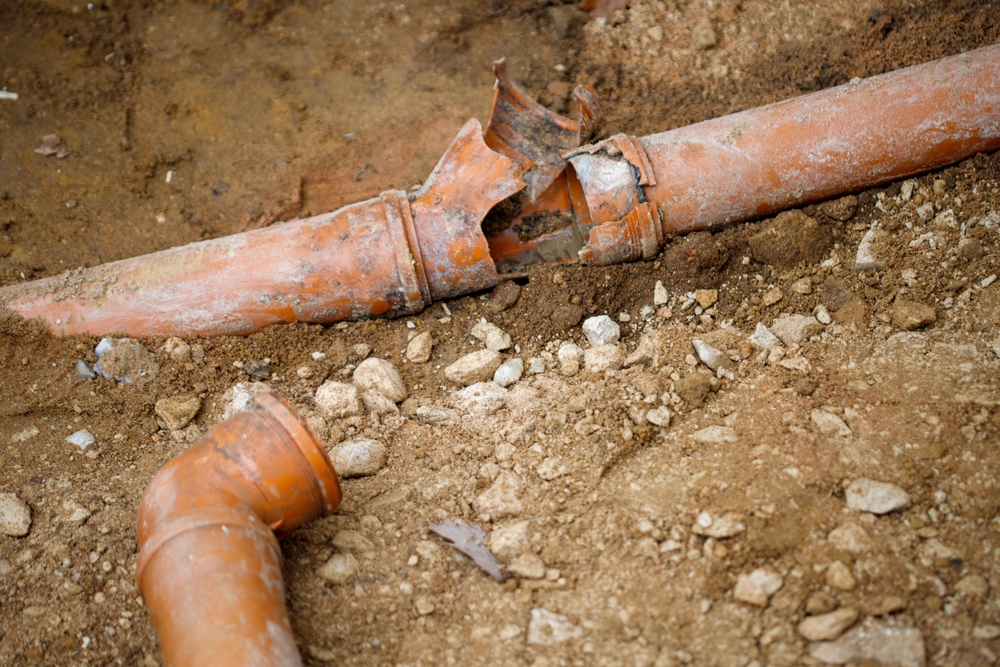
Many homeowners hear the term trenchless sewer repair and assume it sounds too good to be true. We understand why. For decades, sewer work was associated with large excavations, damaged landscaping, and lengthy disruptions. As trenchless technology has become more common, some old myths have remained. The reality is that modern methods have changed how…
Read MoreBreaking Down the Lifespan of Modern Sewer Replacement Materials
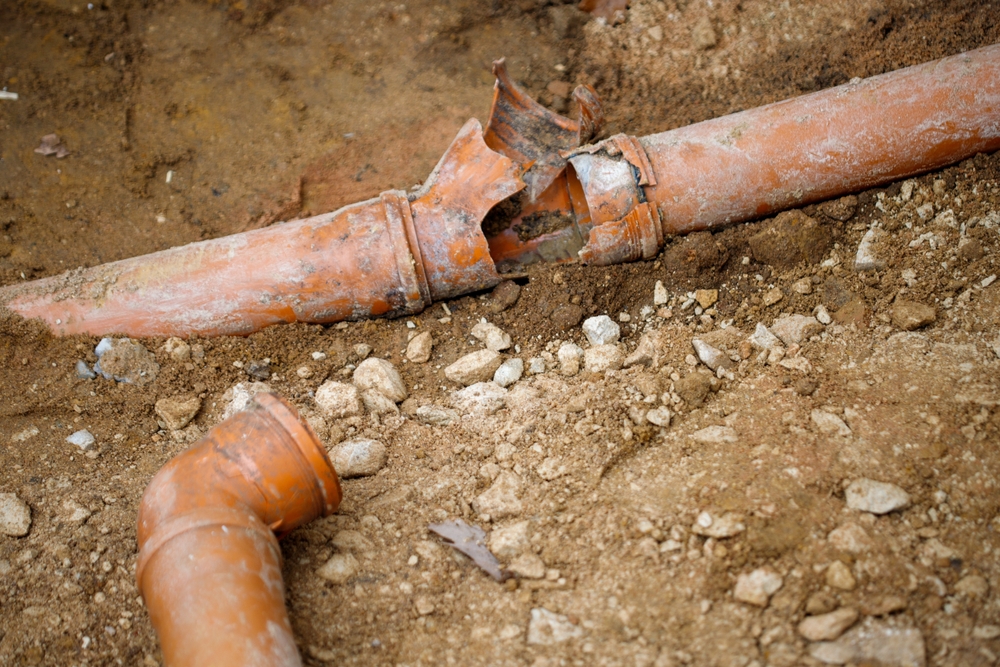
When a sewer line begins showing signs of trouble, one of the first questions property owners ask is how long a replacement will last. It is a fair question. A sewer line is buried out of sight, and most people want to know they are making a decision that will serve their property well for…
Read MoreHeavy Rain Infiltration: Why Your Sewer Line Shouldn’t Double as a Storm Drain
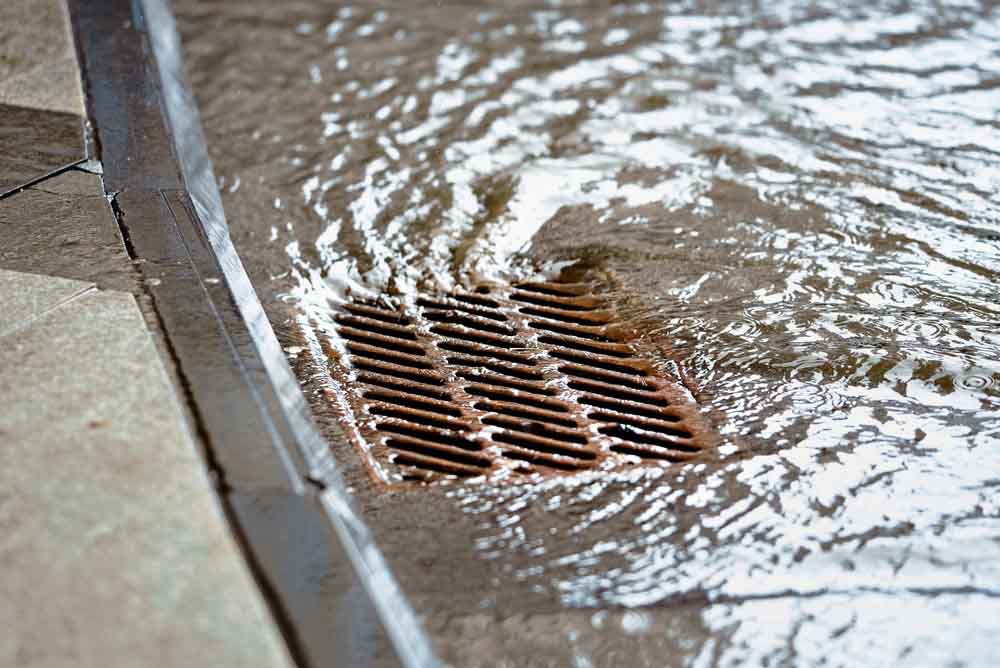
A sewer line is designed to carry wastewater away from your home, not absorb every gallon of rainwater that lands on the property. Yet in many older homes, roof gutters, foundation drains, and sump pumps were once connected directly to the sanitary sewer system. During heavy storms, these outdated connections can overwhelm the line and…
Read MoreHow Modern Materials in Trenchless Sewer Replacement Improve Lifespan
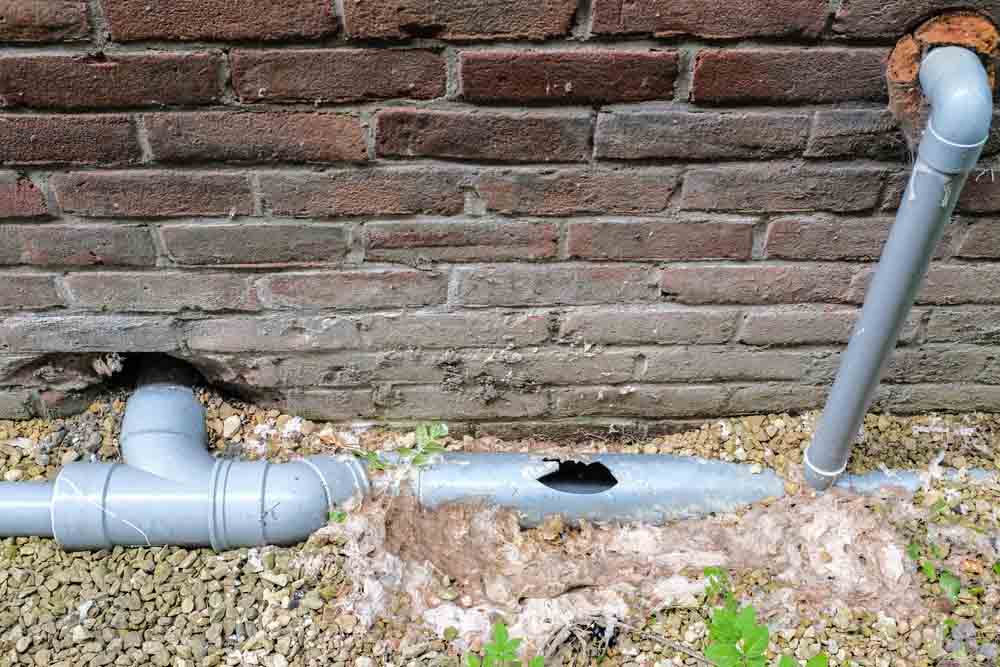
Most homeowners only think about their sewer line when something goes wrong. What many people do not realize is that the materials used to repair that line play a huge role in how long the solution lasts. Today’s trenchless technology uses advanced materials designed to resist corrosion, root intrusion, and ground movement for decades. If…
Read MoreThe Environmental Footprint of Trenchless Repairs vs. Traditional Digging
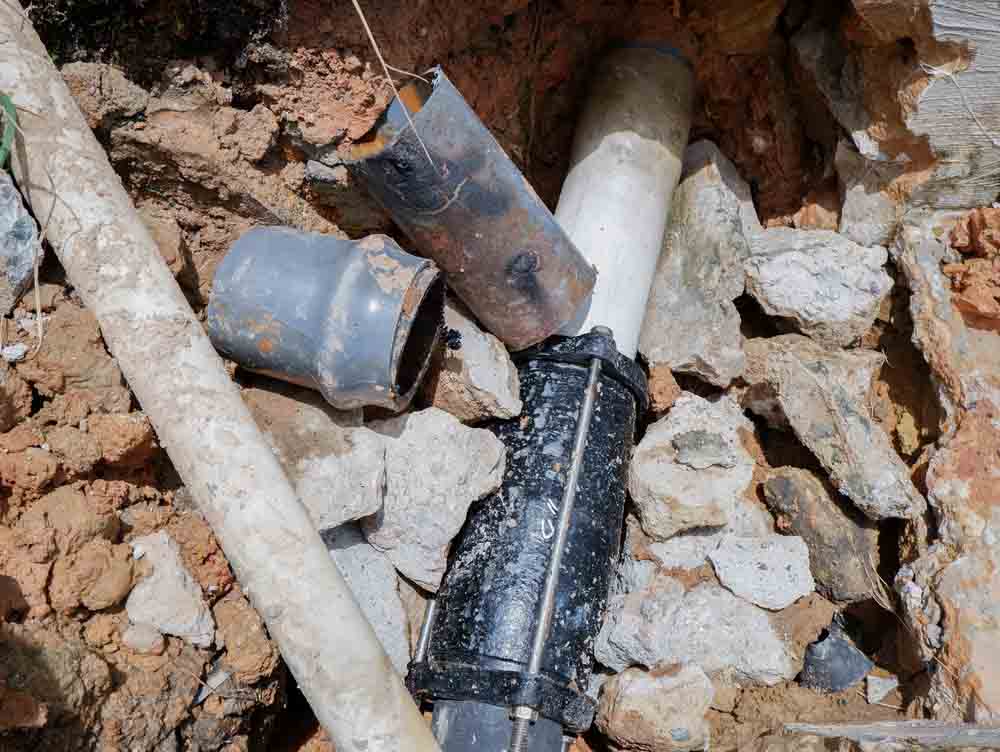
Every underground repair leaves a mark. The only question is how wide, how deep, and how long it lingers after the work is done. Traditional excavation exposes everything from soil, roots, pavement, to landscaping before a single pipe is fixed. Trenchless methods take a different approach, working through the existing line with far less disruption…
Read MoreThe Domino Effect of Ignoring a Small Sewer Backup
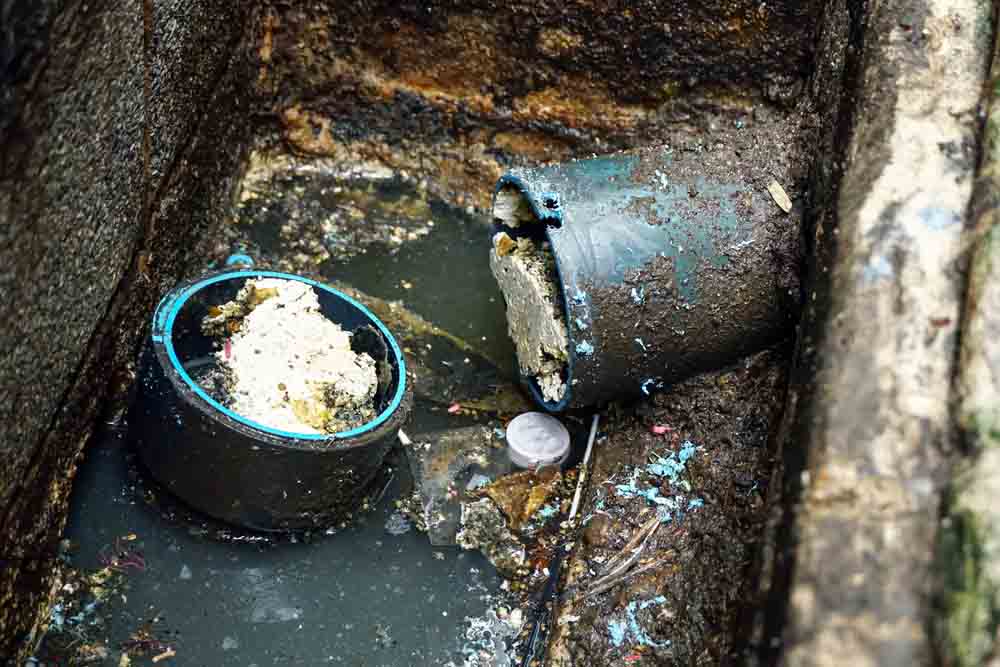
A small sewer backup can look harmless at first. Slow drains, a faint odor, or a bit of gurgling may not seem urgent, but those early signs often point to a blockage forming deeper in the system. We’ve seen how quickly things shift once pressure builds inside the line. At Price Busters Plumbing & Sewer,…
Read More5 Signs Your Landscaping is Hiding a Sewer Emergency (And How to Save Both)
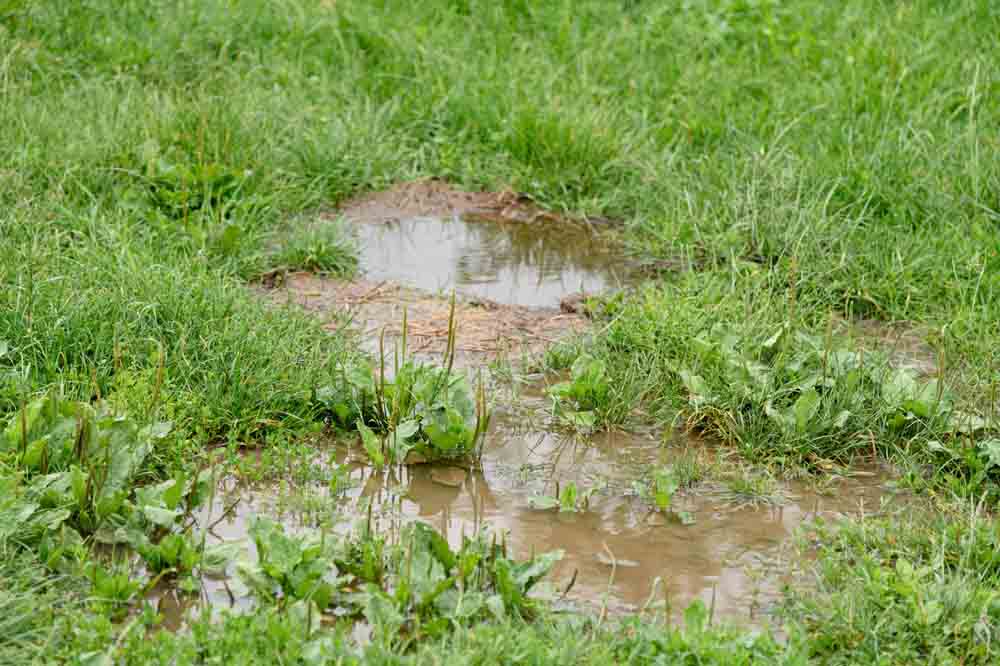
Even pristine landscaping can hide serious plumbing issues. We often meet homeowners who think a soft patch of grass or an odd smell outside is a gardening issue. In reality, the sewer line below the yard may already be failing. Underground sewer problems rarely start with dramatic warnings. They usually appear quietly on the lawn…
Read MoreLandscape Preservation with Trenchless Technology and Sewer Inspections: A Game-Changer or Fad?
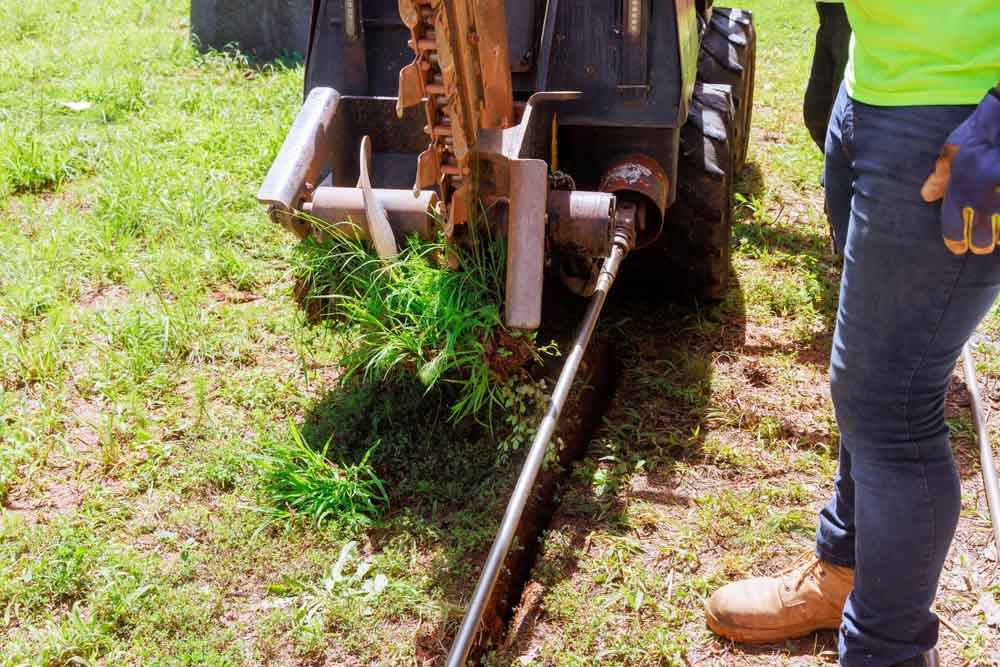
“How much of my yard will get destroyed?” is often the first thought homeowners have whenever faced with the proposition of having a pipe fixed. When they opt for traditional excavation, the answer involves most of the property or more than half, meaning lawns, flower beds, and driveways are likely to be upended. With trenchless…
Read MoreLead and Galvanized Pipes Ticking Time Bombs for Your Home’s Value: Here’s Why
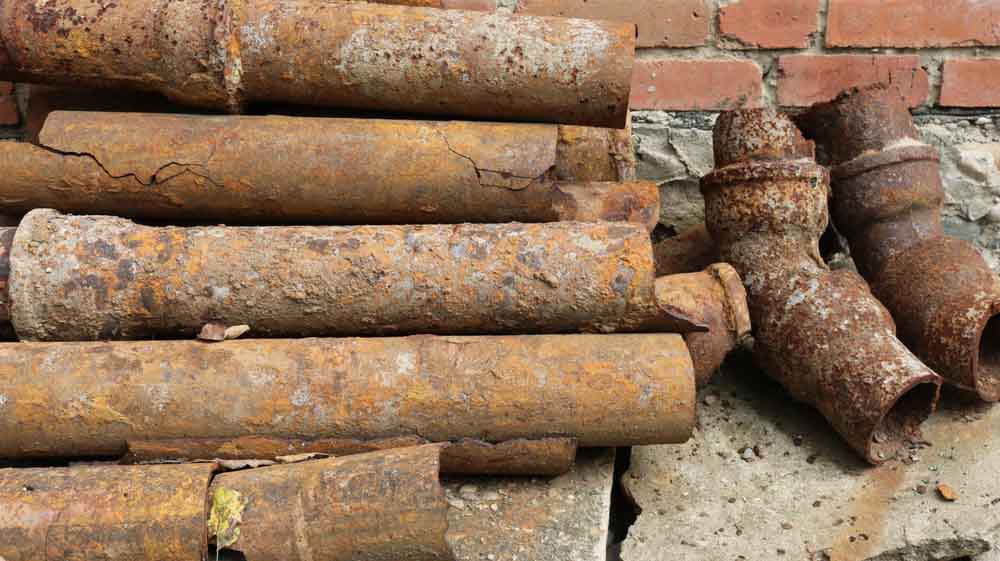
Your home’s plumbing, water quality, and overall value all take a hit once the lead and galvanized pipes you have deteriorate. Unfortunately, many homeowners don’t realize the damage until it’s extensive, and by then, repairs become more complicated and costly. Both types of pipes often go unnoticed until damage warrants sewer repair in Kirkland, WA.…
Read MoreWhen Partial Sewer Replacement Makes Sense (and When It Doesn’t)
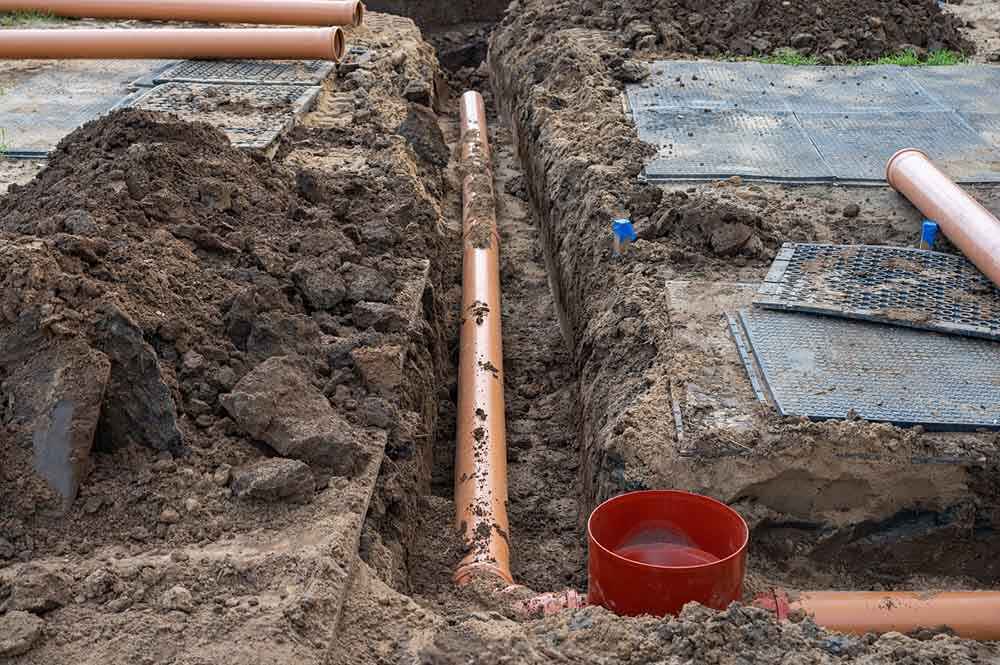
Sewer line problems often raise a difficult question for homeowners: Is a partial repair enough, or is a full replacement necessary? The answer depends on the type, location, and extent of the damage. Partial work can be a practical solution in some cases, but it is not always the best path forward. With sewer systems…
Read More