A toilet that clogs repeatedly after an upgrade feels frustrating, especially when the goal was fewer bills and better efficiency. We see this situation often in homes where older high-volume toilets are replaced with newer low-flow models, only to create a different set of problems. At Price Busters Plumbing & Sewer, we help homeowners in need of an expert plumber in Lynnwood, WA, by letting them know exactly what is happening inside the pipes. Many times, it comes down to how water moves through the system rather than the toilet itself, which is more common than most people realize.
How Low-Flow Toilets Changed Water Movement
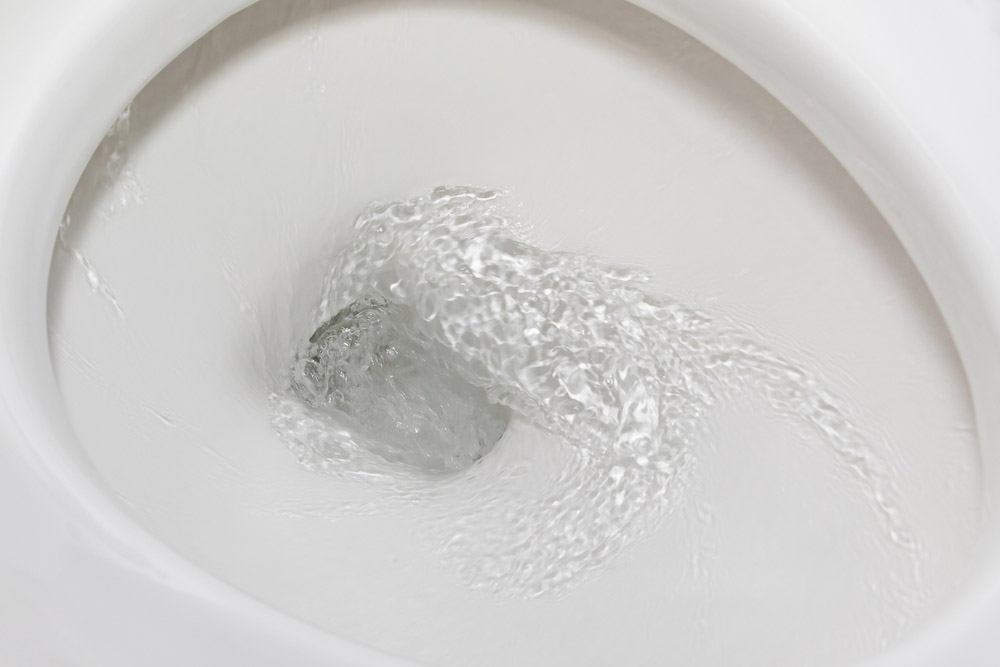
Modern toilets are designed to use less water, with most WaterSense labeled models using 1.28 gallons per flush compared to older 3.5-gallon units. The U.S. Environmental Protection Agency notes that these toilets significantly reduce household water use, but the tradeoff is less force behind each flush. That reduced force changes the hydrodynamics inside the bowl and drain line. Waste relies more on precision flow instead of volume, which means pipe condition and slope become much more important.
When Reduced Flush Meets Aging Drain Lines
A low-flow toilet depends on enough force to move waste through the system quickly. In older homes, that movement can slow down when pipes already have years of buildup or reduced internal diameter from scale and residue. Plumbing repair experts warn that small restrictions inside drain lines do not always show obvious signs at first. Water may still drain, but the reduced passage space changes how waste travels through the system, making clogs more likely after each flush.
Several underlying conditions often play a role:
- Pipe walls gradually collect mineral scale, grease, and debris over time
- Older drain materials may develop rough interior surfaces that slow flow
- Partial restrictions reduce carrying capacity even when no full blockage is present
- Venting limitations can affect how efficiently water and air move together through the system
In many cases, the toilet gets blamed first, but the real issue sits deeper in the plumbing system where reduced flow efficiency affects every flush cycle.
Common Causes Behind Repeated Clogging
Several system conditions can affect how low-flow toilets perform:
- A narrow or partially blocked drain path reduces how quickly waste exits the bowl.
- A weakened flush mechanism inside the tank can reduce initial water velocity, which affects clearance.
- Vent issues in the drainage system can disrupt pressure balance and slow flow movement.
- Mineral buildup or partial obstruction in older piping can restrict passage without fully blocking it.
When Professional Service Becomes Important
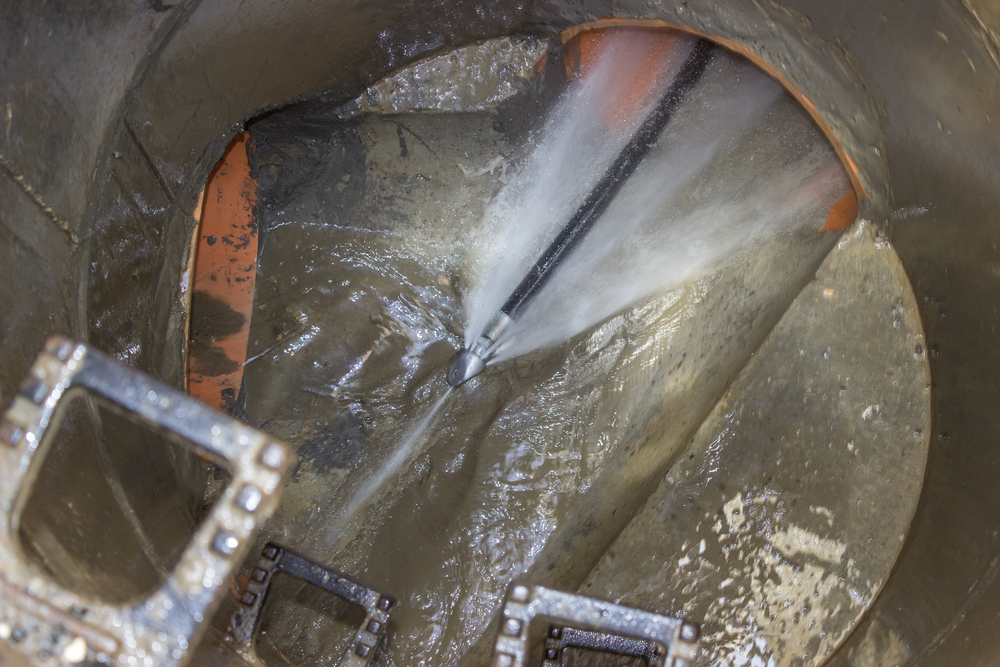
When clogs become frequent, the issue often extends beyond the toilet itself. That is why we look at both the fixture and the drainage system to identify where resistance is forming. In some homes, drain cleaning is enough to restore proper flow. For others, deeper buildup requires more advanced methods such as hydro jetting, which uses high-pressure water to remove hardened deposits from pipe walls.
Fixture and Installation Factors
Not all low-flow toilets perform the same way. Design differences in bowl shape, trapway size, and flush technology play a role in performance. Proper toilet installation is also critical because even a slight slope issue can affect drainage efficiency. When problems persist, toilet repair may involve replacing internal components or adjusting tank settings to improve flush strength.
System-Wide Solutions for Recurring Issues
In more persistent cases, the entire drainage system may need evaluation. That can include checking venting, assessing pipe condition, and identifying hidden buildup. In urgent situations where backups occur suddenly, emergency plumbing support helps prevent water damage and restore function quickly.
FAQs
Why does my new toilet clog more than my old one?
Lower water volume can expose existing drain issues that older toilets were masking.
toilet repair
Can drain cleaning fix frequent toilet clogs?
Yes, if buildup inside the line is restricting flow, cleaning often restores performance.
Is hydro jetting safe for residential pipes?
When performed correctly, hydro jetting is effective for clearing heavy buildup without damaging most modern piping.
Do I need a new toilet if clogs keep happening?
Not always. Many issues come from drain or vent problems rather than the fixture itself.
When low-flow toilets do not perform as expected, we take a full-system approach to identify the real cause. At Price Busters Plumbing & Sewer, we provide value-adding services with long-term savings potential, reasonable prices, products from trusted manufacturers, on-time arrivals, and 24/7 emergency service so homeowners can rely on steady performance throughout their plumbing system. Schedule a service appointment by calling us today!
Need a Plumber in the Seattle Area?
Price Busters Plumbing & Sewer is ready to help. Call us or request service online and we’ll be in touch right away.